

education
Explore our articles on education. Find a useful perspective for your next decision.
Articles in this topic
254 published articles, with the newest first.
Prop Firm Education
Prop Firm Evaluation Checklist Before You Pay
Check the exact programme, total fees, loss calculations, trading permissions and next-stage payout terms before paying for a prop evaluation.

announcement
Welcome to BullTraders.com
Why we built an independent trading research platform, and what you can expect from this site.

Trading Education
10 Trading Mistakes to Check in Your Process
Ten trading process errors to check, from margin and stop assumptions to costs, strategy changes and simulated performance.

Trading Education
Day Trading Taxes for Prop Firm Traders: What You Owe
Tax guide for prop firm traders: payout classification, Section 1256 treatment for futures, self-employment tax, deductions, and record-keeping tips.
Trading Education
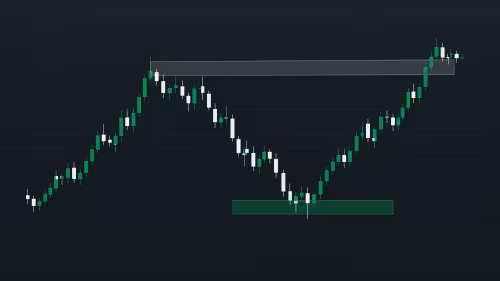
Supply and Demand Zones: How to Use Them in Day Trading
How to identify supply and demand zones on a chart, entry and exit rules, combining with trend direction, and common mistakes to avoid.
Tools & Platforms
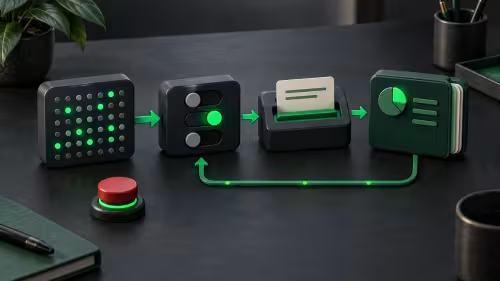
How to Build a Simple Trading Bot: A Non-Technical Overview
Want to build a trading bot but not a developer? This non-technical overview explains the components, logic, and platforms you need to get started.
Futures Education
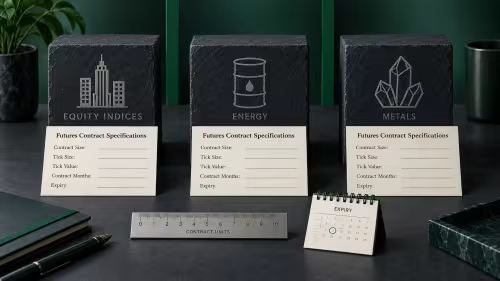
Futures Contracts for Day Trading: How to Compare Them
Ranked guide to the most popular futures contracts for day trading, covering liquidity, volatility, tick value, margin, and ideal trading windows.

Platforms & Tools
VPS for Trading: Do You Really Need One?
Decide whether a trading VPS solves your actual reliability or automation problem. Compare local, remote and already-hosted workflows before spending.
Tools & Platforms
Algorithmic Trading for Beginners: Where to Start
New to algorithmic trading? Learn what algo trading is, the skills you need, which platforms to use, and a practical roadmap to get started as a beginner.

Tools & Platforms
AI Trading Bots: What Beginners Should Know
AI trading bots promise automated profits, but what's real and what's hype? Learn how AI bots work, their limitations, and what beginners should watch for.

Tools & Platforms
Trading Signals: How to Evaluate the Evidence
Assess trading-signal records, execution assumptions, recurring fees and seller claims without mistaking screenshots or account tracking for an audit.

Tools & Platforms
Best VPS Specs for Day Trading: Size Your Workload
Size a trading VPS from the platform, chart history and automation you actually run. Distinguish minimum requirements from measured working capacity.

Tools & Platforms
Automated vs Manual Trading: Pros and Cons for Beginners
Should beginners automate their trading or stick to manual? Compare the pros and cons of automated vs manual trading to find the right approach for you.

Tools & Platforms
Copy Trading Explained: Is Following Other Traders Worth It?
Copy trading lets you mirror other traders' positions automatically. Learn how it works, the real risks involved, and whether it's worth it for beginners.
Tools & Platforms
Can AI Replace Human Traders? How to Assess the Evidence
How to assess AI and human trading claims: task definitions, comparable performance evidence, and limits of automation statistics.

Broker Selection
Why Broker Regulation Matters: What to Check First
Broker regulation determines what happens to your money if something goes wrong. What to look for, what to avoid, and why it matters.
Tools & Platforms
Best Backtesting Software: Choose by Testing Method
Compare backtesting approaches for coded strategies, manual replay and portfolio research. Match data and execution assumptions to the system you test.

Trading Education
Trading Psychology: Decisions, Habits and Review
How to recognise departures from a trading plan, record decisions and use pause procedures without blaming every loss on psychology.
Trading Education
Risk Management 101: How to Protect Your Trading Capital
Position sizing, stop-order limitations, payoff arithmetic and account-level controls, with clearly labelled risk examples.
Tools & Platforms
Trading Communities: Choose Support for Your Task
Compare trading forums, provider communities and live rooms by purpose. Check access, moderation and incentives before spending time or paying to join.

Tools & Platforms
Can You Run Multiple Trading Platforms on One VPS?
Assess multiple trading platforms on one VPS by resources, connection permissions and failure isolation. Test the combined workload before consolidating.

Tools & Platforms
VPS Uptime: What 99.9% Actually Tells You
Understand VPS uptime percentages, SLA measurement windows and fee credits. Compare the contract with the availability your trading application needs.

Tools & Platforms
How to Choose a VPS Location for Trading Latency
Choose a VPS location by measuring the route to your actual trading gateway and remote desktop. Understand why city names and minimum pings are insufficient.

Tools & Platforms
Trading Latency: What to Measure and Why
Separate network delay, market-data age, platform response and order acknowledgement before deciding whether a connection or hosting change helps.

Tools & Platforms
How to Set Up a Trading VPS From Scratch
Set up a trading VPS with supported software, secure remote access and a tested recovery process. Validate the platform in simulation before relying on it.
Trading Education
PDT Rule Changes 2026: What Traders Need to Know
The PDT replacement is effective, but brokers have a transition period. Understand what changed and which account requirements to confirm before trading.

Prop Firm Reviews
How to Spot a Prop Firm Scam: Red Flags to Watch For
Identifying prop firm scam patterns: hidden fees, no payout proof, fake reviews, vague rules, and how to verify a firm's legitimacy before paying.

Challenge Strategy
What Happens After You Pass a Prop Firm Challenge?
What comes after passing: activation fees, funded account rules, payout processes, how to request withdrawals, and common post-pass pitfalls.
Trading Education
Pattern Day Trader Rule Explained: What the 2026 Changes Mean for You
How the approved 2026 intraday margin framework changes account decisions, and what to check during the broker transition.

Trading Education
Why 100 Trades Matter: Sample Size in Trading
Why 100 trades is a review milestone, not proof of an edge. Learn how uncertainty, correlated trades and changing rules affect strategy evaluation.
Tools & Platforms
What Is a VPS and Why Do Traders Use One?
Learn what a virtual private server is, what trading software can run there and which responsibilities remain yours. Understand hosting before choosing a plan.

Challenge Strategy
Prop Firm Consistency Rule: What It Measures and Why
The prop firm consistency rule explained: what it measures, how it affects payout eligibility, and how to trade consistently without being robotic.
Trading Education
Python for Traders: Why and How to Get Started
Use Python for a small, testable trading-data project, validate the inputs, and understand what changes when a script can submit orders.

Trading Education
What Is Profit Factor and Why Does It Matter?
Calculate profit factor correctly, distinguish gross and net results, and understand why a high ratio alone does not prove a trading edge.
Trading Education
Understanding the Sharpe Ratio: Is Your Strategy Any Good?
Understand the Sharpe ratio calculation, consistent return periods and annualisation assumptions, plus the risks the ratio does not capture.

Trading Education
What Is Curve Fitting and Why Is It Dangerous for Traders?
Learn what curve fitting means in trading, why it makes backtests look incredible but live trading fail, and how to avoid overfitting your strategy.

Trading Education
How to Track and Measure Your Trading Performance
Learn how to track and measure your trading performance. Essential metrics, journaling methods, and tools to improve your trading results over time.

Psychology & Risk
How to Stop Overtrading: Signs, Causes & Practical Fixes
Identifying overtrading patterns, too many setups, averaging down, trading out of boredom, and practical systems to limit trades and stick to your plan.

Psychology & Risk
What Is Revenge Trading, and How Do You Stop It?
What triggers revenge trading, why traders do it, the psychological loop behind it, and practical steps to break the cycle before it wrecks your account.

Trading Education
What Is Expectancy in Trading? How to Calculate Your Edge
Calculate trading expectancy from net results, understand breakeven trades and R-multiples, and distinguish a historical estimate from a future edge.

Psychology & Risk
Why Traders Lose Money: Strategy, Risk and Decision-Making
Examine trading losses through strategy evidence, costs, exposure and decisions, without assuming every loss comes from psychology.

Trading Education
What Is a Trading System and How Do You Build One?
Learn what a trading system is and how to build one step by step. Covers rules, components, backtesting, and systematic trading basics for beginners.

Psychology & Risk
Position Sizing: How to Calculate Risk Per Trade
Step-by-step guide to position sizing: the formula, worked examples in futures and forex, adapting for prop firm rules, and common beginner mistakes.

Trading Education
Basic Trading Statistics Every Trader Should Know
Essential trading statistics every trader should understand. Learn win rate, expectancy, profit factor, and other key metrics to measure your edge.

Psychology & Risk
The 1% Rule in Trading and Why Beginners Ignore It
How the 1% risk convention translates into position size, with compounding examples and limits of stop-based loss budgets.

Psychology & Risk
Risk Management for Traders: The Essential Guide
Risk management guide for active traders: the 1% rule, position sizing, daily loss limits, risk-reward ratios, account protection, and mental discipline.

Trading Education
How to Backtest a Trading Strategy: Step-by-Step Guide
Learn how to backtest a trading strategy step by step. Covers tools, methods, common mistakes, and how to interpret backtest results for beginners.
Tools & Platforms
Prop Firm vs Solo Trading: The Real Cost Comparison
Prop firm vs solo trading costs compared. See the real numbers on evaluation fees, profit splits, and personal capital to find the cheaper path.
Tools & Platforms
Micro Futures Trading: A Beginner’s Preparation Guide
Micro futures trading guide for beginners. Learn contract specs, margin requirements, best platforms, and how to start trading micro futures today.
Forex & Strategy
Forex vs. Futures: Which Market Is Better for Beginners?
Practical comparison of forex and futures for beginners: liquidity, hours, costs, leverage, tax treatment, and which suits different trading goals.

Futures Education
ES vs. NQ Futures: Which Should You Trade?
Comparing E-mini S&P 500 (ES) and E-mini Nasdaq-100 (NQ) futures: volatility, tick value, risk profile, spread, and which suits your trading style.
Tools & Platforms
ES Futures Trading: A Beginner's Complete Guide
Learn how to trade ES futures (S&P 500 E-mini) as a beginner. Complete guide covering contract specs, margin, strategies, and getting started.
Futures Education
How Futures Margins Work: Day Trading & Overnight Rules
Futures margin explained: initial vs. maintenance margin, how day trading margins work, overnight position costs, and how prop firms handle it.
Futures Education
E-mini vs. Micro Futures: Which Contract Size Fits You?
Comparing E-mini and Micro futures: tick values, margin requirements, cost per trade, risk per tick, and which size suits beginners vs. experienced.
Tools & Platforms
Micro Futures vs Mini Futures: Which Is Better for Beginners?
Micro futures vs mini futures compared for beginners. Learn the contract sizes, margin requirements, and which futures type to start with.
Futures Education
Futures Contract Specs: Tick Value, Margin & Hours
Guide to reading futures contract specs: tick size, tick value, contract multiplier, trading hours, settlement type, and why each one matters.
Tools & Platforms
Market Profile vs Volume Profile: Which Is More Useful?
Market profile vs volume profile compared for traders. Learn the differences, when to use each, and which tool gives better trading insights.

Tools & Platforms
Demo Account vs Micro Account: Which Is Better for Learning?
Compare simulated practice with smaller live positions, including execution differences, sizing limits and when returning to demo makes sense.
Prop Trading Basics
Trailing Drawdown in Prop Trading: EOD vs Intraday Explained
Understand trailing drawdown with worked examples, EOD versus intraday rules, floor locks, and account-specific differences at Topstep, Apex and MyFundedFutures.

Prop Trading Basics
Prop Firm Profit Splits: What 80/20 or 90/10 Means
How prop profit splits work, why the eligible reward base matters, and how caps, timing and programme terms affect actual payments.
Tools & Platforms
Index Futures vs Individual Stocks for Day Trading
Compare index futures vs individual stocks for day trading. Learn which market offers better liquidity, costs, and opportunities for active traders.

Tools & Platforms
Trading Entry Barriers: Cost Is Only One Part
Compare minimum purchase size with product complexity, ongoing costs and custody arrangements before treating any market as easy to enter.
Tools & Platforms
Trading Course vs Self-Taught: Which Path Is Better?
Compare trading courses and self-directed study by syllabus, feedback, evidence and total cost—not promises of speed or profitability.
Prop Trading Basics
Prop Firm Drawdown Rules: Daily Loss, Max Loss & Trailing
Prop firm drawdown rules explained: daily loss limits, maximum drawdown, trailing vs. static drawdown, and how to stay within the lines.
Prop Trading Basics
How Prop Firm Evaluations Work: Phases & What to Expect
Step-by-step breakdown of prop firm evaluations: one-phase vs. two-phase models, what metrics are tracked, and what happens when you pass or fail.

Prop Trading Basics
What Is Prop Trading? A Beginner's Guide
Plain-English introduction to proprietary trading: what it is, how it works, how prop firms make money, and whether it's right for you as a beginner.

Tools & Platforms
US Broker vs Offshore Broker: Pros, Cons, and Risks
US broker vs offshore broker compared. Understand the pros, cons, and real risks of regulated vs unregulated brokers before opening an account.

Tools & Platforms
Penny Stocks vs Large Caps: Which Should Beginners Trade?
Compare penny stocks and large-cap shares by liquidity, information quality and exposure, without assuming a low price or large company makes trading safe.
Futures Education
Futures Trading for Beginners: How to Get Started
Beginner's guide to futures trading: what futures are, how they work, contract types, margin requirements, trading sessions, and getting started.
Tools & Platforms
Funded Account vs Personal Small Account: A Beginner's Decision
Funded account vs personal small account compared. Learn which option is better for beginners, the real costs, and how to decide which path to take.
Tools & Platforms
Active Trading vs Passive Investing: What's Right for You?
Active trading vs passive investing explained for beginners. Compare time commitment, returns, costs, and find which approach fits your goals.

Tools & Platforms
Forex vs Crypto Trading: Which Is Easier for Beginners?
Forex vs crypto trading compared for beginners. Learn which market is easier to start, key differences in volatility, costs, and regulation.
Tools & Platforms
TradingView vs thinkorswim: Charting and Account Fit
Compare TradingView and Schwab thinkorswim by account access, charts, data and practice workflow. Understand desktop, web and mobile differences.

Tools & Platforms
Day Trading Futures vs Forex: A Side-by-Side Comparison
Compare day trading futures vs forex side by side, covering costs, leverage, liquidity, regulation, and which market suits your trading style.
Tools & Platforms
Commission-Free vs Paid Broker: The Tradeoffs You Should Know
Compare commission-free vs paid brokers for trading. Learn the hidden costs, execution quality differences, and which broker type fits your needs.

Tools & Platforms
Stocks vs Futures: Which Is Better for Beginners?
Compare stocks vs futures for beginners, covering capital requirements, leverage, trading hours, and which market fits your trading style.

Tools & Platforms
Options vs Futures: Key Differences for Beginners
Compare options vs futures for beginners, covering risk profiles, capital needs, complexity, and which derivative suits your trading goals.
Trading Lifestyle
How to Deal with Trader Isolation and Loneliness
Practical strategies for dealing with trader isolation and loneliness, from building community connections to maintaining mental health.

Trading Lifestyle
7 Signs You're Actually Improving as a Trader
Discover 7 real signs that you are improving as a trader, from smaller losses and better discipline to emotional control and consistency.

Trading Lifestyle
Creating a Post-Trade Routine: What to Do After Markets Close
Build a post-trade routine that reviews your performance, captures lessons, and prepares you for the next session with a clear mind.

Trading Lifestyle
Building a Financial Safety Net Before You Start Trading
Why you need a financial safety net before trading, how much to save, and how to separate your living expenses from your trading capital.

Trading Lifestyle
10 Trading Books for Beginners: What Each Covers
Ten trading and decision-making books organized by topic, with publisher links and questions to ask before applying their ideas.

Trading Lifestyle
How to Set Trading Goals That Actually Work
Learn how to set effective trading goals that focus on process over profits, with practical examples for beginner and developing traders.

Trading Lifestyle
Trading From Home: Tips for Focus and Productivity
Practical tips for trading from home, including workspace setup, eliminating distractions, and building routines that keep you focused.

Trading Lifestyle
Realistic Expectations for Your First Year of Trading
Set realistic expectations for your first year of trading, from learning curves and common losses to achievable milestones and growth timelines.

Trading Lifestyle
Exercise, Sleep, and Trading Performance: The Connection
What sleep and exercise evidence does—and does not—say about trading, with a practical desk-readiness checklist.

Trading Lifestyle
Day Trading Lifestyle: What It's Really Like
Discover what the day trading lifestyle is really like, from daily routines and income reality to the mental challenges most traders never discuss.

Trading Education
Why Your Stop Loss Got Skipped: Understanding Gap Risk
Learn why your stop loss can get skipped due to price gaps, how gap risk works, and practical ways to protect your trades from gaps.

Trading Lifestyle
Morning Routine for Day Traders: How to Start Your Day Right
A practical pre-session checklist covering account state, market times, orders and decision boundaries without a prescribed morning schedule.
Trading Education
What Is a Market Maker and What Do They Do?
Learn what a market maker is, how they provide liquidity to financial markets, and why their role matters for your trading execution.

Trading Education
The Limit Order Book Explained for Beginners
How to read displayed order-book prices and quantities, including feed limits, matching rules and why size is not a direction guarantee.

Trading Education
How to Get Better Fills on Your Trades
Practical tips to improve your trade execution and get better fills, from order types and timing to platform settings and liquidity.

Trading Education
How the Bid-Ask Spread Affects Your Trades
Understand how the bid-ask spread impacts your trading costs, why spreads widen, and how to minimize spread costs on every trade.

Trading Education
What Is Slippage in Trading and How to Reduce It
Learn what slippage is in trading, why it happens, and practical tips to reduce slippage and improve your trade execution quality.

Trading Education
What Is a Stop Order and How Does It Work?
Learn what a stop order is, how it works in trading, and when to use stop orders to protect your positions and manage risk effectively.

Trading Education
What Is a Bracket Order? OCO Orders Explained
Learn what bracket orders and OCO (one-cancels-other) orders are, how they work, and how to use them to automate your trade exits.
Trading Education
Stop Limit Order vs Stop Market Order: Key Differences
Understand the key differences between stop limit orders and stop market orders, including when to use each type for better trade execution.
Tools & Platforms
VPS vs Your Home Computer: When Does It Matter?
Compare local and remote trading computers by dependencies, access, maintenance and recovery. Choose the arrangement that solves your actual problem.
Trading Education
Market Order vs Limit Order: When to Use Each
Market order vs limit order explained: learn how each order type works, when to use them, and which is better for your trading style. Beginner-friendly guide.
Trading Education
Pre-Market Movers: How to Scan and Use Them
Learn how to find and trade pre-market movers. Check data coverage, news catalysts and liquidity before adding a pre-market mover to a watchlist.

Trading Education
Understanding Market Cycles: Expansion, Peak, Contraction, Trough
Learn the four market cycle phases: expansion, peak, contraction, and trough. Understand how market cycles work and how traders use them to make better decisions.

Trading Education
Leading vs Lagging Indicators: What's the Difference?
Understand the difference between leading and lagging indicators in trading. Learn what these labels mean, how signals differ, and why neither guarantees a price move.

Trading Education
How to Read a Stock Quote: Everything Beginners Need to Know
Learn how to read a stock quote including price, bid/ask, volume, market cap, and more. A beginner-friendly breakdown of every number on a stock quote page.

Trading Education
Market Sentiment: Surveys, Positioning and Prices
Distinguish investor opinions from positions and option prices, and learn why extreme sentiment readings do not provide a reliable reversal clock.

Trading Education
How the Jobs Report (NFP) Affects the Markets
Learn how the Non-Farm Payrolls (NFP) jobs report affects stocks, forex, and futures markets, and how traders should prepare for this key release.

Trading Education
Market Internals: How to Use Advance-Decline and TICK
Learn how to use market internals like the advance-decline line and TICK indicator to confirm trends and spot reversals in your trading.
Trading Education
Fundamental Analysis vs Technical Analysis: Which Is Better?
Compare the questions fundamental and technical analysis address, their limitations, and how to define a testable process using either approach.

Trading Education
Sector Rotation: Measure Leadership Without Guesswork
Understand sector classifications, relative returns and benchmark weights, and avoid treating an economic-cycle story as a dependable trading signal.
Trading Education
How to Trade Around Earnings Season as a Beginner
Learn how to trade around earnings season as a beginner, including what to watch, how to manage risk, and common mistakes to avoid.
Trading Education
How Inflation Data (CPI, PPI) Impacts Your Trading
Understand how CPI and PPI inflation data impacts stock, forex, and futures markets, and learn how traders position around these key releases.
Trading Education
How to Read an Economic Calendar for Trading
Learn how to read an economic calendar for trading, understand impact ratings, and use scheduled events to plan better entries and manage risk.
Trading Education
How Fed Interest Rate Decisions Affect the Markets
Understand how FOMC interest rate decisions impact stocks, forex, and futures markets, and learn how traders position around Fed announcements.

Trading Education
How to Budget for Trading Expenses: Data, Software, and More
A practical breakdown of monthly trading expenses including data feeds, platforms, software, and education so you can budget before you start.

Trading Education
How Prop Firm Payouts Are Taxed: A Trader's Guide
Learn how prop firm payouts are taxed, whether you receive a 1099 or invoice, and how to report funded trader income on your tax return.
Trading Education
Retirement Accounts for Traders: IRA and Other Options
Explore retirement account options for active traders including IRAs, Roth IRAs, solo 401(k)s, and how to trade within tax-advantaged accounts.
Trading Education
Common Tax Mistakes Traders Make (and How to Avoid Them)
Avoid costly trading tax mistakes including wash sale errors, missing deductions, and poor record keeping. A practical guide for active traders.

Trading Education
Crypto Wash Sale Rule: What Traders Need to Know
Does the wash sale rule apply to crypto? Learn about the current rules, proposed legislation, and how crypto traders should handle tax-loss harvesting.
Trading Education
Crypto Trading Taxes: What Beginners Must Know
Understand how crypto trading is taxed in the US, including capital gains rules, taxable events, reporting requirements, and tips for beginners.
Trading Education
When to Hire a Tax Accountant Who Understands Trading
Find out when you need a trading tax accountant or CPA for traders, what to look for, and how the right professional saves you money.

Trading Education
Trading From Outside the US: Tax Considerations to Know
Key tax considerations for non-US traders accessing American markets, including withholding taxes, treaty benefits, and reporting obligations.

Trading Education
Trader Tax Status and Section 475 Election Explained
What Trader Tax Status (TTS) is, how Section 475 mark-to-market works, qualification requirements, and why it matters for active day traders.
Trading Education
Mark to Market Election for Day Traders
Learn how the Section 475 mark to market election works for day traders, its tax benefits, deadlines, and whether it's right for your trading business.

Trading Education
How Much Do Day Traders Make? Realistic Numbers for Beginners
What day-trading income evidence can show, the scope of a Brazilian futures study, and why account returns are not a dependable salary.

Trading Education
How to Manage Your Trading Profits Wisely (Don't Blow It)
Practical advice on what to do with your trading profits, from tax reserves to reinvestment, so you don't lose what you've earned.

Trading Education
Tax Deductions for Day Traders: What You Can Write Off
A clear guide to tax deductions available to day traders, including home office, software, data feeds, education, and equipment expenses.

Trading Education
Wash Sale Rule Explained: What Every Trader Needs to Know
The wash sale rule can silently inflate your tax bill. Learn how it works, when it triggers, and strategies active traders use to avoid it.

Trading Education
How to Pay Quarterly Estimated Taxes as a Trader
Learn when and how to pay quarterly estimated taxes on your trading income, including deadlines, forms, and how to avoid underpayment penalties.

Trading Education
Short-Term vs Long-Term Capital Gains Tax for Traders
Understand the difference between short-term and long-term capital gains tax for traders, including rates, holding periods, and strategies to save.

Trading Education
Should You Form an LLC for Trading? Pros, Cons, and When
Is an LLC worth it for trading? Learn the pros, cons, and when forming a trading LLC makes financial sense for active day traders.
Trading Education
What Records to Keep for Trading Taxes: A Complete Checklist
A complete checklist of trading records you need for taxes. Learn what to track, how to organize it, and which documents the IRS expects.

Trading Education
Trading as a Business vs Hobby: Tax Implications Explained
Understand investor versus securities-trader status, business expenses and why a Section 475 election is a separate US tax decision.
Trading Education
How Trading Income Is Taxed: A Beginner's Guide
Confused about how trading income is taxed? This beginner's guide explains capital gains, ordinary income, and what traders owe the IRS.
Prop Trading Basics
How Much Does It Really Cost to Get Funded? A Breakdown
The real cost of getting a prop firm funded account goes beyond the evaluation fee. Here's a full breakdown of what traders actually spend.

Prop Trading Basics
How to Choose Your First Prop Firm: A Decision Framework
Not sure which prop firm to choose? Use this decision framework to match your trading style, budget, and goals with the right funded trader program.

Prop Trading Basics
Prop Firm Minimum Trading Days: Why They Exist and How to Plan
Learn why prop firms require minimum trading days, how many days to expect, and smart strategies for meeting the requirement without forced trades.
Prop Trading Basics
Prop Firm News Trading Restrictions: What You Need to Know
Can you trade news events at a prop firm? Learn about common news trading restrictions, why they exist, and which firms allow it.

Prop Trading Basics
What Is a Funded Trader Program? A Beginner's Breakdown
Learn what a funded trader program is, how it works, and whether it's right for you. A complete beginner's guide to funded account trading.

Prop Trading Basics
How to Reset a Prop Firm Evaluation: When It Makes Sense
Should you reset your prop firm evaluation or start fresh? Learn when resetting makes sense, the costs involved, and smarter alternatives.

Prop Trading Basics
Prop Firm Rules You Probably Don't Know About
Discover hidden prop firm rules most traders overlook, from consistency rules to copy trading bans, that can cost you a funded account.

Prop Trading Basics
Prop Firm Payout Process: How and When You Get Paid
Understand the prop firm payout process, including when you get paid, payout methods, profit splits, and how to avoid withdrawal delays.

Prop Trading Basics
Prop Firm vs Trading Your Own Capital: Which Is Better?
Prop firm vs trading your own capital: compare the costs, profit splits, rules, and risks to decide which path fits your trading goals.
Tools & Platforms
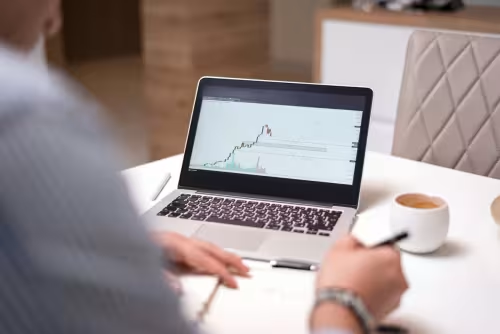
How to Customize Your Trading Charts for Maximum Clarity
Learn how to customize your trading charts for maximum clarity with clean layouts, the right indicators, and color schemes that reduce noise.

Prop Trading Basics
How Prop Firm Scaling Plans Work: Getting More Buying Power
Learn how prop firm scaling plans work, what triggers account growth, and how to increase your buying power after getting funded.
Tools & Platforms
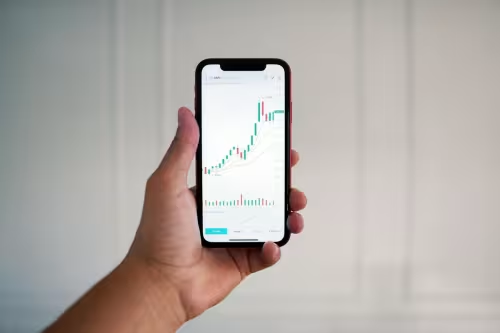
MetaTrader 4 vs MetaTrader 5: Which Fits Your Account?
Compare MT4 and MT5 by account support, automation, testing and position accounting. Check broker-specific symbols and migration work before switching.

Tools & Platforms
Trading Hotkeys: Why Speed Matters and How to Set Them Up
How to define and test trading shortcuts, including account scope, accidental repeats and why a flatten command needs verification.

Tools & Platforms
Depth of Market: Reading a DOM and Entering Orders
Learn what a depth-of-market ladder displays, distinguish quotes from trades, and check order-entry controls before using a DOM with a live account.
Tools & Platforms
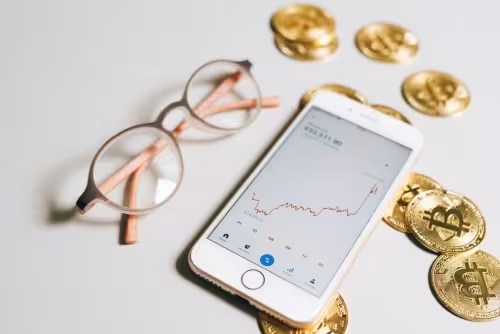
Order Flow Trading: Trades, Depth and Interpretation
Learn how order-flow tools classify executions, distinguish resting liquidity from completed trades, and avoid inferring identities or guaranteed moves.

Tools & Platforms
How to Set Up Trading Alerts That Actually Help
Stop staring at charts all day. Learn how to set up trading alerts for price levels, indicators, and volume that keep you informed and ready.

Tools & Platforms
Level 2 Market Data: Coverage and Limitations
Understand what Level 2 quotes reveal, how feed coverage differs from the full market, and why displayed orders do not predict future executions.
Tools & Platforms
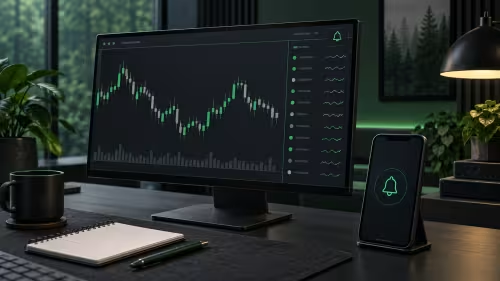
TradingView Setup Guide: Charts, Symbols and Alerts
Set up a clear TradingView chart, watchlist and alert workflow. Check symbol sources, data delays, sessions and notifications before using the layout.

Psychology & Risk
The Sunk Cost Trap in Trading: When to Walk Away
The sunk cost fallacy keeps traders in bad positions too long. Learn when to walk away from a losing trade and protect your capital.

Psychology & Risk
Why Boredom Is a Trader's Worst Enemy
Review boredom-driven trade decisions with accurate cost examples, fair journal categories and limits that do not become quotas.

Psychology & Risk
Revenge Trading in Disguise: 5 Subtle Signs You're Doing It
Think you're not revenge trading? These 5 subtle signs reveal emotional trading habits you might not recognize. Learn to spot and stop them.

Psychology & Risk
How to Handle Missing a Perfect Trade Setup
Missed a perfect trade setup? Learn how to handle missed entries, avoid emotional reactions, and stay disciplined for the next opportunity.

Psychology & Risk
Calm Trading: Useful Habit or False Confidence?
Separate calm feelings, correct execution and profitable outcomes without treating emotional detachment as a trading edge.

Psychology & Risk
How to Build Confidence as a New Trader
Build confidence in order handling and research while keeping strategy evidence, financial limits and live-trading decisions separate.

Psychology & Risk
Fixed Mindset vs Growth Mindset in Trading
Use mindset questions to review trading decisions without treating persistence, confidence or losses as proof of future success.

Psychology & Risk
Trading Burnout: Signs You Need a Break and How to Recover
Consider fatigue and distress around trading without self-diagnosis, fixed recovery promises or overlooking existing account exposure.

Psychology & Risk
How to Develop Patience as a Trader
Patience is the most underrated trading skill. Learn how to develop patience, wait for quality setups, and stop overtrading with these practical tips.

Psychology & Risk
Comparing Yourself to Other Traders: Why It's a Trap
Comparing yourself to other traders on social media destroys your confidence and strategy. Learn why it's a trap and how to focus on your own trading journey.

Psychology & Risk
Analysis Paralysis in Trading: How to Actually Pull the Trigger
Stuck in analysis paralysis? Learn why traders hesitate to enter trades, how to distinguish hesitation from a valid reason to wait, and practical ways to pull the trigger.

Psychology & Risk
Why You Keep Breaking Your Trading Rules (and How to Stop)
Breaking your trading rules? Discover the psychological reasons behind rule violations and actionable strategies to follow your trading plan consistently.

Psychology & Risk
The Psychology of Taking Profits Too Early
Why do traders cut winners short? Explore the psychology behind taking profits too early and learn how to let your winning trades run to target.
Psychology & Risk
How to Stay Calm During a Losing Streak
Investigate consecutive losses with clear probability assumptions, account checks and separate reviews of execution and strategy.

Psychology & Risk
How to Handle a Big Winning Trade Without Getting Reckless
A big winning trade can be just as dangerous as a big loss. Learn how to handle big wins without overconfidence, oversizing, or reckless follow-up trades.
Psychology & Risk
Trading Journal: What to Write After Every Single Trade
Record plans, actual fills, costs and rule deviations in a trading journal without confusing hypothetical results with account performance.

Psychology & Risk
How Fear and Greed Control Your Trading (and How to Fight Back)
Recognise how emotions change trading decisions and use practical checks without relying on guaranteed exits or forced live practice.

Psychology & Risk
Trading Discipline and Strategy: Why You Need to Check Both
Evaluate trading strategy evidence and execution discipline separately, without assuming consistency makes an unprofitable system work.

Psychology & Risk
What Is FOMO in Trading and How to Beat It
Understand trading FOMO, separate missed hypothetical gains from actual losses, and assess the entry available now.

Psychology & Risk
What Is a Drawdown and How Do You Manage It?
Learn what a drawdown is in trading, how to calculate it, and practical strategies to manage drawdown and protect your trading account.

Psychology & Risk
The 2% Risk Rule: Calculations and Limitations
How percentage risk sizing works, the mathematics of losing streaks, and why a 2% planned budget is not a guaranteed loss cap.
Psychology & Risk
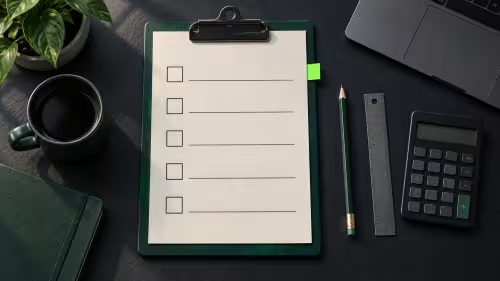
Risk Management Checklist: 5 Things to Check Before Every Trade
Use this 5-point risk management checklist before every trade to protect your capital, manage position size, and improve your trading discipline.

Psychology & Risk
How to Size Trades in Volatile Markets
Learn how to adjust your position sizing in volatile markets. Practical tips for managing risk when volatility spikes and price swings widen.

Psychology & Risk
How to Deal with FOMO in Trading: Practical Tips
Struggling with FOMO in trading? Here are practical tips to stop chasing trades, manage the fear of missing out, and stick to your trading plan.
Psychology & Risk
Scaling Into and Out of Trades: When It Makes Sense
Learn when scaling into and out of trades makes sense, including partial profit-taking strategies and how to manage risk when adding to positions.
Psychology & Risk
How to Recover From a Big Trading Loss (Without Revenge Trading)
Review account exposure and investigate a large trading loss without forced recovery targets, automatic resets or guaranteed stop assumptions.

Psychology & Risk
How Many Trades Should You Take Per Day?
Assess daily trade frequency through costs, strategy evidence and account exposure rather than a universal one-to-five-trade rule.

Psychology & Risk
Why You Should Never Move Your Stop Loss Further Away
Understand how widening a stop changes exposure, when an adjustment belongs in a tested plan, and why tightening does not guarantee a protected profit.

Psychology & Risk
What Is a Trailing Stop Loss? How and When to Use It
How trailing stops adjust their trigger, where fills can differ, and how to compare fixed, percentage and volatility-based exit rules.

Psychology & Risk
How to Protect Your Trading Capital as a Beginner
Understand exposure, sizing units, stop-order limitations and account controls without treating percentage rules as guaranteed protection.
Psychology & Risk
Risk to Reward Ratio Explained with Real Examples
The risk-to-reward ratio compares your potential loss to your potential profit on every trade. Learn how to calculate R:R and why it matters for profitability.

Psychology & Risk
Max Daily Loss Rule: Why Every Trader Needs One
A max daily loss rule stops you from turning a bad day into a devastating one. Learn how to set your daily loss limit and stick to it every session.

Psychology & Risk
How to Calculate Position Size for Every Trade
Position sizing determines how many shares or contracts to trade based on your risk. Learn the position sizing formula with step-by-step examples.

Psychology & Risk
How to Set Stop Loss Orders Properly: A Practical Guide
Learn how to set stop loss orders based on chart structure, ATR, and risk management rules. A practical guide to stop loss placement for every trader.
Trading Education
How to Create a Watchlist: Finding the Best Stocks to Trade
Build a watchlist with explicit selection rules, event checks and dated records, rather than treating scanner results as trade recommendations.
Trading Education
Price Action Trading: Patterns Without Hindsight
Understand what price charts record, define patterns before the outcome, and test price-action ideas without assuming candles reveal trader intent.

Trading Education
VWAP Trading Strategy: How Day Traders Use It Daily
How to define VWAP bounce, breakout and reversion rules, with explicit execution assumptions and checks against hindsight.
Trading Education
Trend Following Strategy: How to Trade With the Trend
How to define a trend-following strategy, compare breakout and pullback entries, and evaluate exits, costs and losing periods.

Trading Education
Reversal Trading: How to Spot Market Turns Early
Define and test reversal setups while avoiding hindsight, unsupported exhaustion signals and assumptions that a tight stop guarantees a small loss.
Trading Education
News-Based Trading: How to Trade Around Market Events
Understand news-event exposure, order risks and preparation around economic reports and earnings, without assuming a predictable price reaction.

Trading Education
Moving Average Crossover Strategy: Simple Entry and Exit Signals
The moving average crossover strategy uses two MAs crossing to signal entries and exits. Learn the golden cross, death cross, and how to trade them.
Trading Education
Opening Range Breakout (ORB): A Simple Day Trading Strategy
The opening range breakout (ORB) strategy trades the first breakout of the day's initial price range. Learn how ORB works with clear entry and exit rules.
Trading Education
How to Trade the First 30 Minutes of Market Open
How to study the opening session with defined ranges, order assumptions and exposure checks, without treating it as automatically profitable.
Trading Education
Pullback Trading: How to Enter Trends at Better Prices
Pullback trading lets you enter established trends at discounted prices instead of chasing. Learn how to identify and trade pullbacks step by step.
Trading Education
Range Trading Strategy: Profiting When Markets Move Sideways
How to define a range-trading setup, account for breaks and execution costs, and test whether the entry and exit rules have useful evidence.
Trading Education
Gap Trading Strategy: How to Trade Morning Gaps
How to define and test gap-fade and continuation strategies, with session references, fill assumptions and limits of gap-fill statistics.
Trading Education
Mean Reversion Trading: What It Is and How It Works
Mean reversion trading bets that prices return to their average after extreme moves. Learn how this strategy works and when to use it effectively.
Trading Education
Breakout Trading Strategy: How to Catch Big Moves Early
How to define breakout entries, stops and measured targets, and evaluate false breaks without assuming volume guarantees continuation.
Trading Education
The VIX: Expected Volatility, Not a Market Timer
Understand the VIX time horizon and annualized scale, why it is not a directional forecast, and how linked futures products differ from the spot index.

Trading Education
Scalping Strategy Explained: Is It Right for Beginners?
How scalping works, why costs and execution matter, and how beginners can evaluate the demands without assuming a required win rate or income.
Trading Education
Momentum Trading Strategy: How to Ride Strong Moves
Momentum trading means buying assets that are moving strongly and riding the trend. Learn how momentum strategies work with practical entry and exit rules.
Trading Education
Hammer and Shooting Star Candles: Reversal Signals Explained
Learn how hammer and shooting star candlestick patterns signal potential market reversals. Spot reversal candle patterns with clear examples.
Trading Education
What Is a Gap in Trading? Types and How to Trade Them
Definitions of opening and chart gaps, the limits of gap-type labels, and how to distinguish fill and continuation hypotheses.
Trading Education
Volume Profile Trading Explained for Beginners
Volume profile trading shows where the most shares traded at each price level. Learn how to read volume profile and use it in your trading strategy.
Trading Education
Average True Range (ATR): How to Measure Volatility
Learn how the ATR indicator measures market volatility and helps traders set stop losses and gauge price movement. ATR explained for beginners.
Trading Education
Stochastic Oscillator Explained: How to Use It in Trading
Learn how the stochastic oscillator works, how to read overbought and oversold signals, and practical strategies for using it in trading.
Trading Education
Triangle Patterns in Trading: Ascending, Descending, and Symmetrical
Learn how to identify and trade ascending, descending, and symmetrical triangle chart patterns with clear entries, stops, and targets.
Trading Education
Engulfing Candle Pattern: Bullish vs Bearish Signals
How bullish and bearish engulfing candles are defined, including body versus wick rules and the limits of reversal claims.

Trading Education
VWAP Indicator Explained: Why Day Traders Rely on It
Learn what the VWAP indicator is, how volume weighted average price works, and why day traders use VWAP for entries, exits, and trend bias.

Trading Education
Doji Candle Patterns: What They Mean and How to Trade Them
Learn what doji candle patterns signal, the different types of doji candlesticks, and how to trade them effectively at key price levels.

Trading Education
Chart Timeframes Explained: Which One Should You Use?
Understand chart timeframes from 1-minute to monthly, learn which timeframe fits your trading style, and how to use multiple timeframes together.
Trading Education
Trend Lines: How to Draw and Trade Them Correctly
Learn how to draw trend lines correctly, avoid common mistakes, and use trend line breaks and bounces for better trade entries.
Trading Education
Bollinger Bands Strategy for Beginners
How Bollinger Bands are calculated, how bounce and squeeze hypotheses differ, and why band touches and narrow ranges are not guarantees.
Trading Education
TradingView Indicators for Beginners: A Practical Guide
Learn what volume, moving averages, RSI, VWAP and ATR can describe. Build a small TradingView setup without treating indicators as guaranteed signals.

Trading Education
Fibonacci Retracement: How to Use It in Trading
Learn how to use Fibonacci retracement levels in trading, where to draw them, and which levels matter most for entries and exits.
Trading Education
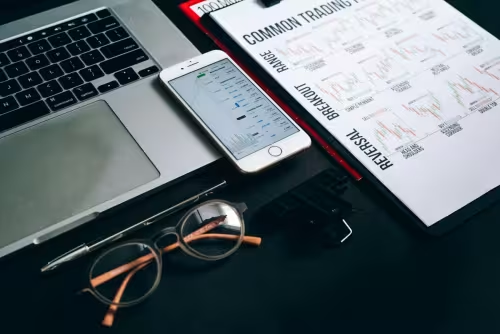
Head and Shoulders Pattern: How to Spot and Trade It
Learn how to identify the head and shoulders chart pattern, understand what it signals, and trade it with proper entries and stop losses.
Trading Education
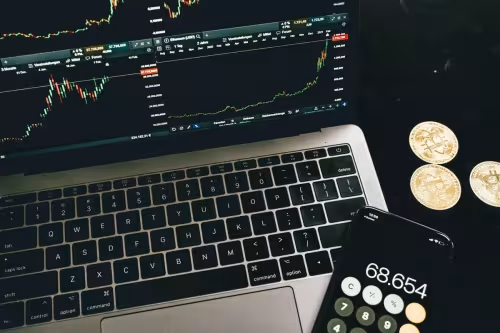
Double Top and Double Bottom Patterns: Trading Guide
Learn how to spot double top and double bottom reversal patterns, when to enter trades, and how to set targets and stop losses.
Trading Education
Volume Analysis: Why Volume Matters More Than Price Alone
How to interpret trading volume, compare periods correctly, and understand the limits of volume-based breakout and liquidity claims.
Trading Education
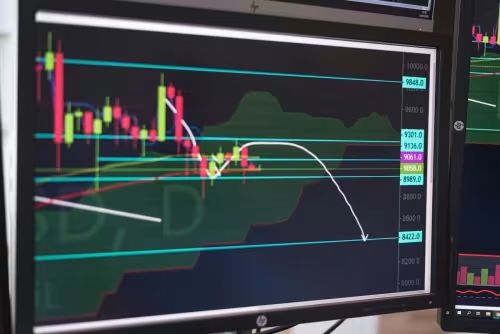
RSI Indicator Explained: How to Use It Without Getting Fooled
Learn how the RSI indicator works, what overbought and oversold really mean, and how to avoid common mistakes when using RSI in trading.
Trading Education
MACD Indicator: A Beginner's Guide to Signals and Setups
Learn how the MACD indicator works, how to read its signals, and practical setups beginners can use for better trading entries and exits.

Trading Education
Stock Indexes: Dow, Nasdaq and S&P Explained
Compare index weighting, distinguish the Nasdaq Composite from the Nasdaq-100, and understand what a benchmark can and cannot tell a trader.
Trading Education
Support and Resistance Levels: How to Find and Use Them
Learn how to identify and trade support and resistance levels, the most fundamental concept in technical analysis for beginners.
Trading Education
Moving Averages Explained: SMA vs EMA for Beginners
Understand how moving averages work, the difference between SMA and EMA, and how to use moving averages for trading signals and trend identification.
Trading Education
How to Read Candlestick Charts: A Beginner's Guide
Learn how to read candlestick charts, understand the anatomy of a candle, and recognize basic candlestick patterns every trader should know.
Trading Education
Volatility: Measurement, Opportunity and Risk
Distinguish realized volatility, implied volatility and trading range, and understand why larger price moves do not automatically improve trading results.
Trading Education
Pre-Market and After-Hours Trading: What Beginners Should Know
Understand premarket and after-hours trading sessions, their risks, and whether extended hours trading makes sense for beginners.
Trading Education
Cryptocurrency Trading Basics for Absolute Beginners
Learn cryptocurrency trading basics including how to trade crypto, choose exchanges, manage risk, and avoid common beginner mistakes.
Trading Education
What Is Short Selling? How It Works in Simple Terms
Short selling lets you profit when prices fall. Learn how short selling works, the risks involved, and why beginners should approach it carefully.
Trading Education
ETFs for Beginners: Structure, Costs and Risks
Understand what an ETF actually owns, how its price differs from asset value, and why diversification and risk depend on the particular fund.
Trading Education
Leverage in Trading: Exposure, Margin and Losses
See how leverage changes gains and losses, why futures margin is not a loan, and how liquidation and stop-order risks affect a trading account.
Trading Education
What Is a Spread in Trading? Bid, Ask, and Why It Matters
Trading spreads explained for beginners. Learn what the bid-ask spread is, how it affects your costs, and how to minimize spread impact on trades.
Trading Education
What Is a Pip in Forex Trading? Calculation and Examples
Learn what a pip is in forex trading, how to calculate pip value, and see real examples. Essential forex basics for beginners explained simply.
Trading Education
How Stock Exchanges Work: NYSE vs NASDAQ Explained
Learn how stock exchanges work and the key differences between NYSE and NASDAQ. Exchange types, listing requirements, and what it means for traders.
Trading Education
Bull Market vs Bear Market: What They Mean for Traders
What bull and bear labels describe, how percentage declines and recoveries differ, and why a market label is not a trading signal.
Trading Education
The S&P 500: Benchmark, Weighting and Trading Products
Understand how the S&P 500 is constructed, why a few companies can drive its return, and how ETFs, futures and options differ from the index itself.
Trading Education
What Is Forex Trading? A Beginner's Overview
Forex trading explained for beginners. Learn how the currency market works, what pips and lots are, and how to start trading forex.
Trading Education
Options for Beginners: Calls, Puts and Exercise
Learn how calls and puts work, calculate a simple expiration payoff, and distinguish option premium risk from exercise and assignment exposure.
Trading Education
Stock Market Hours: When Can You Actually Trade?
Stock market trading hours explained: regular, pre-market, and after-hours sessions. Learn when US markets open and the best times to trade.

Trading Education
Trading Markets: Compare the Contract Before the Cost
Compare shares, ETFs, futures, options, currencies and crypto by ownership, obligations and account access rather than advertised minimum deposits.
Trading Education
What Are Futures Contracts? A Simple Explanation
Futures contracts explained simply for beginners. Learn what futures are, how they work, and why traders use them in stocks, oil, and more.

Trading Education
5 Biggest Myths About Day Trading, Debunked
The 5 biggest day trading myths debunked with facts. Learn what's real and what's fiction about making money as a day trader.

Trading Education
How to Practice Trading Without Risking Real Money
Practice order mechanics and strategy rules through simulation, replay and observation, with clear limits and no required move to live money.

Trading Education
Your First 30 Days as a New Trader: What to Focus On
A week-by-week guide for your first 30 days as a new trader. What to learn, practice, and avoid during your first month of trading.

Trading Education
What Is a Trading Edge and Why Do You Need One?
What a trading edge means, how costs affect measured expectancy, and why a profitable sample needs further evaluation.
Trading Education
Trading with a Small Account: 7 Tips That Actually Work
Seven checks for a small trading account: minimum quantity, margin, costs, loss budgets and realistic limits on scaling.
Trading Education
Swing Trading vs Day Trading: Which Style Fits You?
Swing trading vs day trading compared for beginners. Learn the key differences, time commitment, capital needs, and which style suits your lifestyle.

Trading Education
How Long Does It Take to Become a Profitable Trader?
Why no universal trading-profitability timeline is reliable, and how to assess learning, costs and evidence without a promised breakthrough.
Trading Education
What Is the Pattern Day Trader Rule? PDT Explained Simply
Understand the historical PDT rule, its 2026 replacement, and the difference between margin-account restrictions and cash-account settlement.

Trading Education
How to Open a Brokerage Account: Step by Step for Beginners
Learn how to open a brokerage account step by step. What documents you need, account types to choose from, and tips for first-time traders.

Trading Education
Cash Account vs Margin Account: What Beginners Need to Know
Cash account vs margin account differences explained for beginners. Learn which trading account type is right for you and the risks of margin.
Trading Education
Paper Trading vs Real Money: Which Should You Start With?
Paper trading vs real money trading compared for beginners. Learn the pros, cons, and when to switch from simulated to live trading.

Trading Education
How Much Money Do You Need to Start Trading?
Separate account minimums, margin, loss capacity and costs, including the 2026–2027 US day-trading margin transition.

Trading Education
Day Trading: Mechanics, Costs and Account Rules
Understand what day trading involves, how costs change a trade result, and why account rules and simulated practice need careful interpretation.

Trading Education
Stock Market for Beginners: Everything You Need to Know
Stock market basics explained simply for beginners. Learn how the stock market works, how to start investing, and essential concepts every trader needs.