
Breakout Trading Strategy: How to Catch Big Moves Early
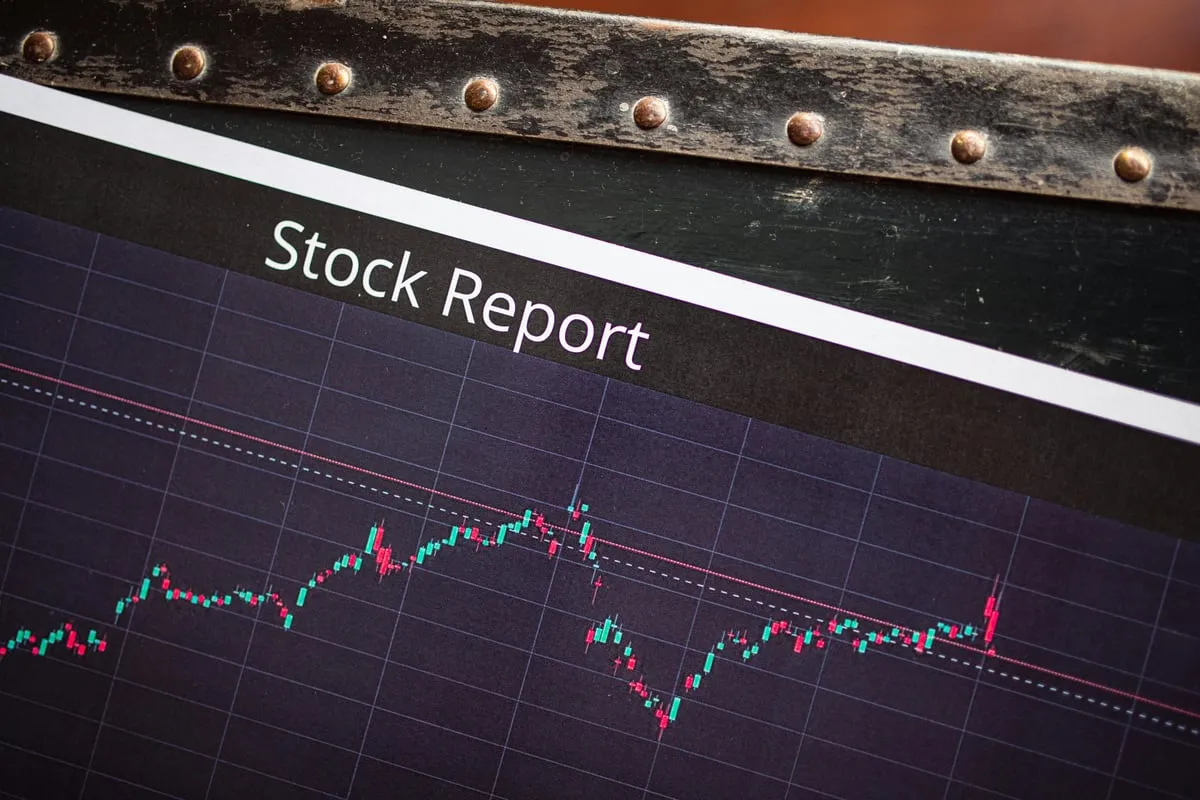
Breakout trading is a strategy where you enter a trade when price moves above resistance or below support with strong volume. The idea is simple: when price finally breaks out of a consolidation range, the resulting move can be explosive. Breakout traders aim to catch the beginning of these large directional moves.
How Breakouts Form
Breakouts happen when supply and demand reach a tipping point. Picture a stock bouncing between $48 and $52 for three weeks. Buyers keep stepping in at $48 and sellers keep capping it at $52. That range represents indecision.
When price finally pushes above $52 with heavy volume, all those sidelined traders jump in. Short sellers who were defending $52 get squeezed and cover (buying more), adding fuel. The result is often a sharp, fast move away from the breakout level.
The longer the consolidation period, the more powerful the eventual breakout tends to be. A two-month range breakout is generally more significant than a two-day range breakout.
Identifying Breakout Setups
Look for these setup characteristics:
- Tight consolidation: Price is compressing into a narrower range, with declining ATR. Think of it as a spring being compressed.
- Declining volume during consolidation: Volume should contract as the range tightens, then explode on the breakout candle.
- Clear level: The resistance or support being tested should be obvious on the chart. If you have to squint to see it, other traders cannot see it either.
- Multiple touches: A level tested 3-4 times is more significant than one touched only once.
Common breakout patterns include flat-top breakouts, ascending triangles, symmetrical triangles, and candlestick patterns like bull flags.
Entry, Stop, and Target Rules
Entry: Enter when the breakout candle closes above resistance (or below support for shorts) with volume at least 1.5x the average. Some traders enter on the break of the level; others wait for a candle close for confirmation.
Stop loss: Place your stop loss just inside the broken range. For a resistance breakout at $52, your stop might go at $51.50 or below the last consolidation low. If the breakout is real, price should not come back inside the range.
Targets: Measure the height of the consolidation range and project it from the breakout point. A $4 range ($48 to $52) breaking upward targets $56. This “measured move” technique gives you a clear risk-reward calculation before entering.
Avoiding False Breakouts
False breakouts are the biggest challenge. Price pokes above resistance, triggers breakout buyers, then reverses sharply back into the range. Here is how to reduce false breakout trades:
- Require volume confirmation. A breakout on low volume is suspect.
- Wait for a candle close. Intraday spikes above resistance that close back below are traps.
- Check the broader market. Breakouts against the market trend have a higher failure rate.
- Use volume profile: Low volume nodes above resistance confirm thin supply, making the breakout more likely to succeed.
Key Takeaways
- Breakout trading enters positions when price breaks through established support or resistance
- Volume is the most important confirmation tool: no volume, no valid breakout
- Place stops just inside the broken range for a defined risk level
- Use the range height as a measured move target for your profit exit
- False breakouts are common; use volume and candle close confirmation to filter them
Frequently Asked Questions
What timeframe is best for breakout trading? Daily and 15-minute charts offer the best balance between reliability and frequency. Daily breakouts are more reliable but rarer. Intraday breakouts on 5-15 minute charts happen more often but have higher false breakout rates.
Can breakout trading work in forex markets? Yes. Currency pairs frequently form ranges and break out, especially around economic news releases. The London and New York session opens are prime times for forex breakouts.
How do I know if a breakout will hold? You never know for certain, which is why you always use a stop loss. The best signs of a real breakout are heavy volume on the breakout candle, the breakout level holding as new support on a retest, and momentum continuing in the breakout direction.
Risk Disclaimer: Trading involves substantial risk of loss. Past performance is not indicative of future results. See our full risk disclaimer.