
VPS vs Your Home Computer: When Does It Actually Matter?
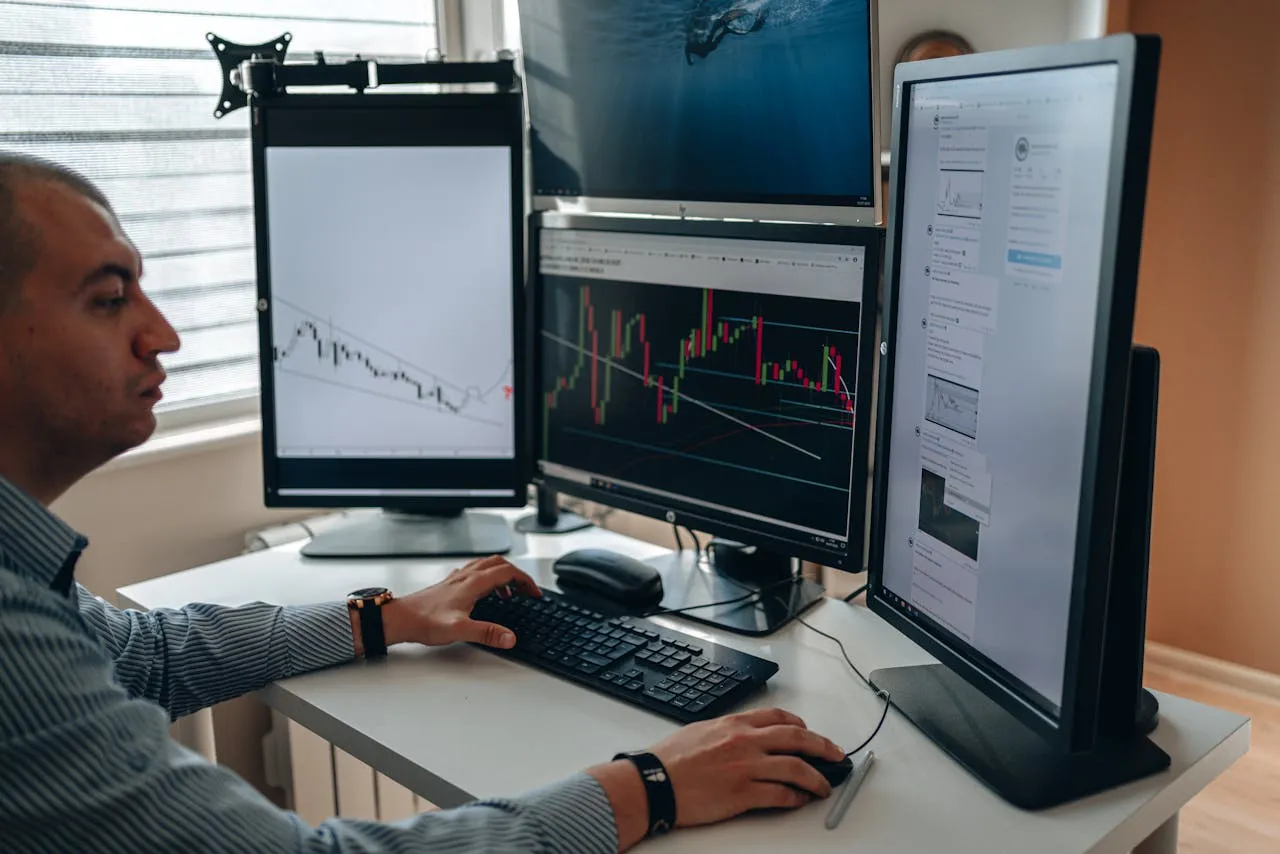
For most retail traders, your home computer is perfectly fine. A VPS (Virtual Private Server) starts to matter when you need guaranteed uptime, run automated strategies, or trade markets that are open while you sleep. The difference isn’t about speed for 99% of traders; it’s about reliability.
Here’s a straightforward comparison so you can decide whether a VPS is worth the cost for your situation.
Where Your Home Computer Wins
Cost: Your home PC has zero ongoing monthly fees for hosting. A decent trading setup (quad-core processor, 16GB RAM, SSD, dual monitors) costs $800 to $1,500 one time versus $30 to $100/month for a comparable VPS, forever.
Performance for manual trading: A modern home computer running one or two platform instances (like NinjaTrader or MetaTrader) has more than enough power. You likely have a faster processor and more RAM than most VPS plans, plus the advantage of multiple monitors for chart analysis.
Full control: You manage your own hardware, install whatever software you want, and don’t depend on a third-party provider’s uptime. If something breaks, you fix it on your terms.
For manual day trading during regular hours with a stable internet connection, a home computer handles everything you need.
Where a VPS Wins
Uptime and redundancy: Data centers offer 99.9%+ uptime with backup power, redundant internet connections, and enterprise-grade hardware. Your home has one power line and one ISP. If either fails during a live trade with no stop loss set, the consequences can be severe.
Always-on operation: Need your platform running 24 hours for forex or futures markets? A VPS handles that without leaving your home computer running all night, accumulating electricity costs and hardware wear.
Latency to exchange servers: A VPS in Chicago (near CME Group’s data center) or New York (near major equity exchanges) can reduce execution time significantly. For scalping strategies executing dozens of trades daily, shaving 30 to 80 milliseconds off each order matters. For swing traders, it doesn’t.
Remote access: Trade from anywhere, any device. If you travel frequently or want to check positions from your phone, a VPS gives you consistent access to your full trading setup.
The Decision Framework
Ask these three questions:
-
Do you run automated strategies? If yes, get a VPS. Bots need to run without interruption, and a crashed home PC means missed trades or unmanaged positions.
-
Is your internet or power unreliable? If you lose connection more than once a month, a VPS removes that risk from your funded account.
-
Do you scalp or need sub-10ms execution? If yes, a VPS near the exchange helps. Otherwise, your home connection’s 30 to 60ms latency is fine.
If you answered no to all three, save your money. Put that $30 to $50/month toward your trading capital or education at BullTraders instead.
Key Takeaways
- Home computers work great for manual day traders with stable internet and power
- VPS wins on uptime, always-on operation, and low latency near exchange servers
- Automated strategies are the strongest reason to use a VPS; bots need guaranteed uptime
- A VPS costs $30 to $100/month ongoing; only pay for it if it solves a real problem in your trading
Frequently Asked Questions
Can I use both a VPS and my home computer? Absolutely. Many traders use their home computer for analysis and chart review, then run their execution platform on a VPS. This gives you the best of both: big screens at home and reliable execution in the cloud.
How much internet speed do I need for trading from home? Trading platforms use very little bandwidth. A stable 10 Mbps connection is more than enough. Stability matters far more than raw speed; a reliable 25 Mbps connection beats an inconsistent 500 Mbps one for trading.
Will my broker care if I switch between home and VPS? Most brokers and prop firms don’t care as long as you’re not violating their terms of service regarding IP addresses or geographic restrictions. Check your firm’s specific rules before switching environments.
Risk Disclaimer: Trading involves substantial risk of loss. Past performance is not indicative of future results. See our full risk disclaimer.