
How to Trade Around Earnings Season as a Beginner
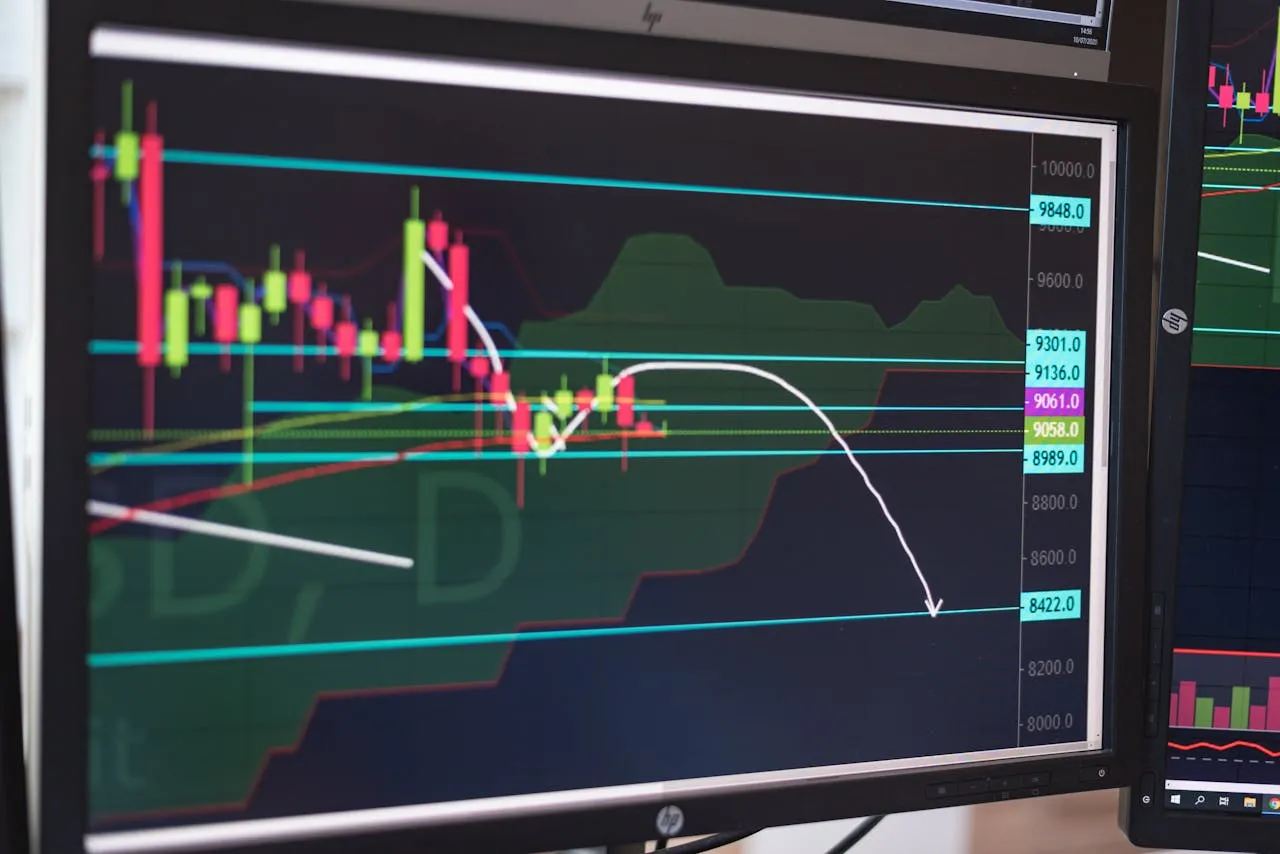
Earnings season happens four times per year when publicly traded companies report quarterly financial results. As a beginner, the safest approach is to avoid holding positions through earnings announcements because the overnight gaps are unpredictable and can blow through your stop loss. Instead, focus on trading the reaction after the numbers come out, when the direction becomes clearer.
What Is Earnings Season?
Earnings season typically runs for about six weeks, starting in mid-January (Q4 results), mid-April (Q1), mid-July (Q2), and mid-October (Q3). During these periods, thousands of companies report revenue, earnings per share (EPS), and forward guidance.
The key numbers traders watch:
- EPS vs. estimate: Did the company beat or miss Wall Street’s consensus?
- Revenue vs. estimate: Did sales grow as expected?
- Guidance: What does management expect for next quarter? This often matters more than the current results.
Stocks regularly move 5 to 15% (sometimes more) after earnings, creating both huge opportunities and serious risks for traders.
Why Beginners Should Be Cautious
The biggest danger with earnings is the overnight gap. Most earnings are released before the market opens or after it closes. If you’re holding a position overnight, the stock can open dramatically higher or lower than where it closed, completely bypassing any stop loss you had in place.
A stock that beats earnings estimates can still drop if guidance disappoints. A company that misses badly can rally if the market expected even worse. The reaction is often counterintuitive, which makes predicting earnings moves a gamble even for experienced traders.
Volatility is priced into options before earnings through elevated implied volatility (IV). This means options are expensive before the announcement and lose value rapidly after (the “IV crush”), making simple long options plays difficult.
Safer Ways to Trade Earnings Season
Instead of gambling on the announcement itself, try these approaches:
Trade the reaction: Wait until after the earnings release and the first 15 to 30 minutes of trading. Let the initial chaos settle, then look for continuation patterns or reversals with clear support and resistance levels.
Trade related stocks: When a major company reports, similar stocks in the same sector often move in sympathy. If a large bank beats earnings, other bank stocks may rally even before their own reports.
Reduce position size: If you choose to hold through earnings, cut your normal position size by 50 to 75%. This way, even a big gap won’t devastate your account.
Watch the earnings calendar: Know which stocks report each day so you’re not caught off guard. Free earnings calendars are available on sites like Investing.com and Yahoo Finance.
For more on handling scheduled market events, see our guide on reading an economic calendar.
Key Takeaways
- Earnings season creates massive volatility with unpredictable overnight gaps
- Avoid holding positions through earnings until you have more experience
- Trade the post-announcement reaction rather than trying to predict the move
- Forward guidance often matters more than the actual earnings numbers
- Reduce position size significantly if you hold any exposure through earnings
Frequently Asked Questions
When does earnings season start? Earnings season begins roughly two weeks after each quarter ends: mid-January, mid-April, mid-July, and mid-October. The busiest weeks are usually the third and fourth weeks, when the largest companies report.
Can I make money trading earnings? Yes, but it’s high-risk. Studies show that predicting the direction of an earnings gap is close to a coin flip. Professional earnings traders typically use options strategies that profit from the size of the move rather than its direction.
Do prop firms restrict trading during earnings? Some prop firms have rules about holding positions through high-impact events, including earnings. Check your firm’s specific guidelines to avoid violations that could cost you your funded account.
Risk Disclaimer: Trading involves substantial risk of loss. Past performance is not indicative of future results. See our full risk disclaimer.