
Volume Profile Trading Explained for Beginners
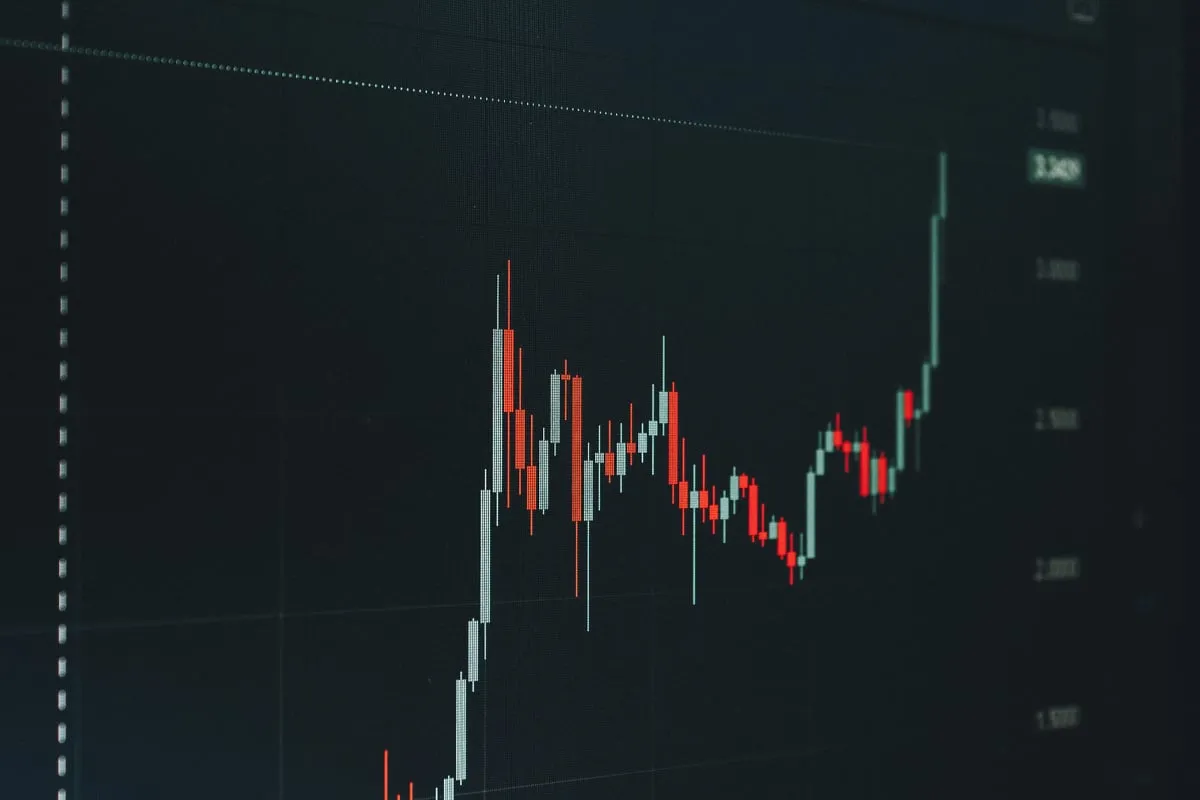
Volume profile is a charting tool that displays how much volume was traded at each price level over a given period, rather than showing volume per time bar. It reveals where buyers and sellers were most active, helping you identify key price levels that regular charts miss entirely.
How Volume Profile Works
Traditional volume bars show you how much was traded during each candle (time-based). Volume profile rotates that view 90 degrees and maps it against price. You see a horizontal histogram on the side of your chart showing volume at each price level.
The three key components you need to know:
- Point of Control (POC): The single price level with the highest traded volume. This is where the most agreement between buyers and sellers occurred. Price tends to get pulled back to this level.
- Value Area (VA): The range of prices where approximately 70% of all volume traded. Think of it as the “fair price zone.”
- High Volume Nodes (HVN) and Low Volume Nodes (LVN): HVNs are price levels with heavy trading activity; they act as magnets. LVNs are thin areas where price moves quickly through.
Using Volume Profile for Support and Resistance
Volume profile gives you support and resistance levels based on actual trading activity rather than just visual chart patterns. High volume nodes act as strong support or resistance because many traders have positions at those prices. They will defend them.
Low volume nodes, on the other hand, act as gaps that price tends to move through quickly. If price breaks into an LVN, expect a fast move to the next HVN. This is why breakout traders love volume profile: it shows where the “air pockets” are.
Practical Volume Profile Strategies
POC Bounce: When price pulls back to the Point of Control on a day trading session, look for a bounce. The POC is the most-accepted price, and many traders will step in to buy or sell there again.
Value Area Test: If price opens outside the previous day’s value area and then moves back inside, it often continues to the opposite side. This is called the “80% rule” because it works roughly 80% of the time.
LVN Breakout: When price approaches a low volume node, get ready for acceleration. These thin zones offer little resistance, and order flow can push price through them rapidly.
Volume Profile vs. Regular Volume
Regular volume tells you how much was traded during a time period. Volume profile tells you where it was traded at specific prices. Both are useful, but volume profile adds a dimension that helps you understand market structure.
Most modern charting platforms like TradingView, Sierra Chart, and NinjaTrader offer volume profile tools. If your platform supports it, start with the “Session Volume Profile” that shows each day’s profile separately.
Key Takeaways
- Volume profile maps trading volume to price levels, revealing where the most activity occurred
- The Point of Control (POC) is the highest-volume price and acts as a magnet for price
- High volume nodes provide strong support/resistance; low volume nodes allow fast price movement
- The Value Area represents the “fair price” zone where 70% of trading happened
- Volume profile works well alongside technical analysis tools like moving averages and RSI
Frequently Asked Questions
Is volume profile free on TradingView? TradingView offers a basic version of volume profile on free accounts, but the more advanced features (like multiple session profiles) require a paid plan. Sierra Chart and NinjaTrader also offer robust volume profile tools.
What timeframe works best for volume profile? For day trading, use the daily session profile on intraday charts. For swing trading, look at weekly or monthly profiles. The concept works on any timeframe.
Can I use volume profile for futures and forex? Absolutely. Volume profile is especially popular among futures traders because centralized exchange data provides accurate volume. For forex, tick volume is used as a proxy since actual volume data is decentralized.
Risk Disclaimer: Trading involves substantial risk of loss. Past performance is not indicative of future results. See our full risk disclaimer.