
What Is Short Selling? How It Works in Simple Terms
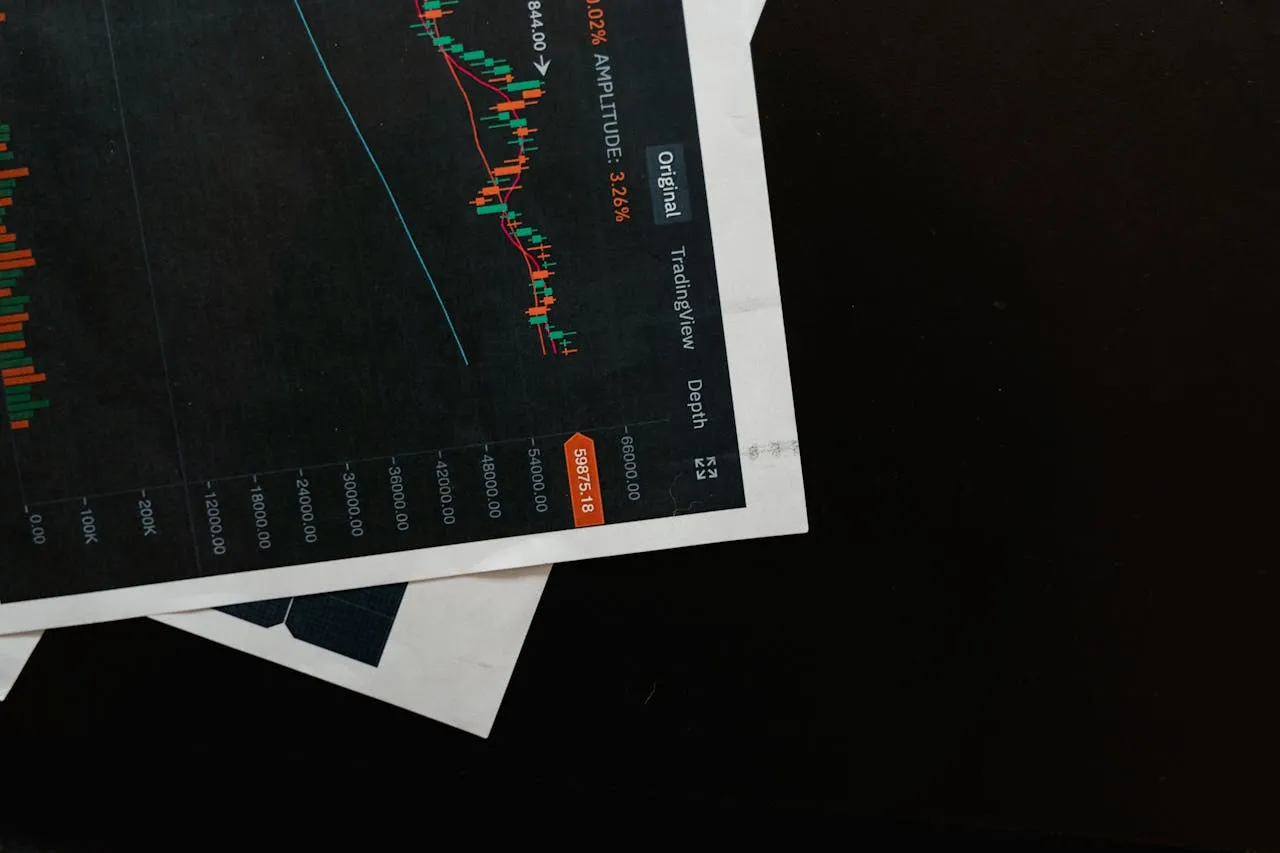
Short selling is a trading strategy where you profit from a stock’s price going down instead of up. You borrow shares from your broker, sell them at the current price, then buy them back later at a lower price, pocketing the difference. It sounds backwards, but it’s one of the most fundamental concepts in trading.
How Short Selling Works Step by Step
Here’s the mechanics in plain English. Say a stock trades at $50 and you think it’s going lower. You borrow 100 shares from your broker and immediately sell them, collecting $5,000. The stock drops to $40. You buy back 100 shares for $4,000 and return them to the broker. Your profit: $1,000 minus fees.
Your broker handles the borrowing automatically. You don’t need to call someone and ask for shares. When you place a “sell short” order, the platform locates borrowable shares and executes the trade.
The catch? If the stock goes up instead of down, you lose money. And unlike buying a stock where your maximum loss is what you paid, short selling has theoretically unlimited loss potential because a stock can keep rising forever.
Why Traders Short Sell
Short sellers aren’t just pessimists. They serve a real purpose in markets by providing liquidity and helping correct overvalued stocks. Professional traders use shorts to hedge existing long positions, reducing overall portfolio risk.
Day traders frequently short stocks that spike on hype or news, betting on a pullback. This “fade the move” approach works well on stocks that gap up on weak catalysts and give back gains throughout the day.
Some traders build entire strategies around shorting. They look for overextended charts, broken support levels, and high short interest as signals.
The Risks of Short Selling
Short selling carries unique risks that don’t exist with regular buying. The biggest is the short squeeze, where a heavily shorted stock suddenly surges as short sellers rush to cover their positions, pushing the price even higher. GameStop in 2021 was the most famous example, where shorts lost billions.
You also pay borrowing fees (called “short interest”) for as long as you hold the position. Hard-to-borrow stocks can cost several percent annually, eating into profits.
Margin requirements for short positions are typically higher than for long positions. Your broker can force you to close your short at a loss through a margin call if the position moves against you far enough.
Should Beginners Short Sell?
Not right away. Master buying first, then learn to short with small positions and tight stop losses. Many prop firms allow shorting in their evaluations, so it’s worth learning eventually. Start by paper trading short setups to build confidence without real risk.
If you’re interested in profiting from down moves, consider inverse ETFs as a simpler alternative. Check out our beginner’s guide to ETFs for more on that approach.
Key Takeaways
- Short selling means borrowing and selling shares to profit from falling prices
- Your maximum loss is theoretically unlimited because prices can rise indefinitely
- Short squeezes can cause rapid, massive losses for short sellers
- Borrowing fees add ongoing costs to short positions
- Beginners should paper trade shorts before using real money
Frequently Asked Questions
Can you short sell in any brokerage account? No. You need a margin account to short sell. Cash accounts don’t support borrowing shares. Most brokers require a minimum balance (often $2,000+) for margin accounts.
How long can you hold a short position? Technically indefinitely, but you’ll pay borrowing fees daily. Your broker can also recall the shares at any time, forcing you to close the position.
Is short selling legal? Yes, short selling is legal in most markets. Some countries temporarily ban short selling during market crises, and there are rules against “naked shorting” (selling shares you haven’t actually borrowed).
Risk Disclaimer: Trading involves substantial risk of loss. Past performance is not indicative of future results. See our full risk disclaimer.