
Paper Trading vs Real Money: Which Should You Start With?
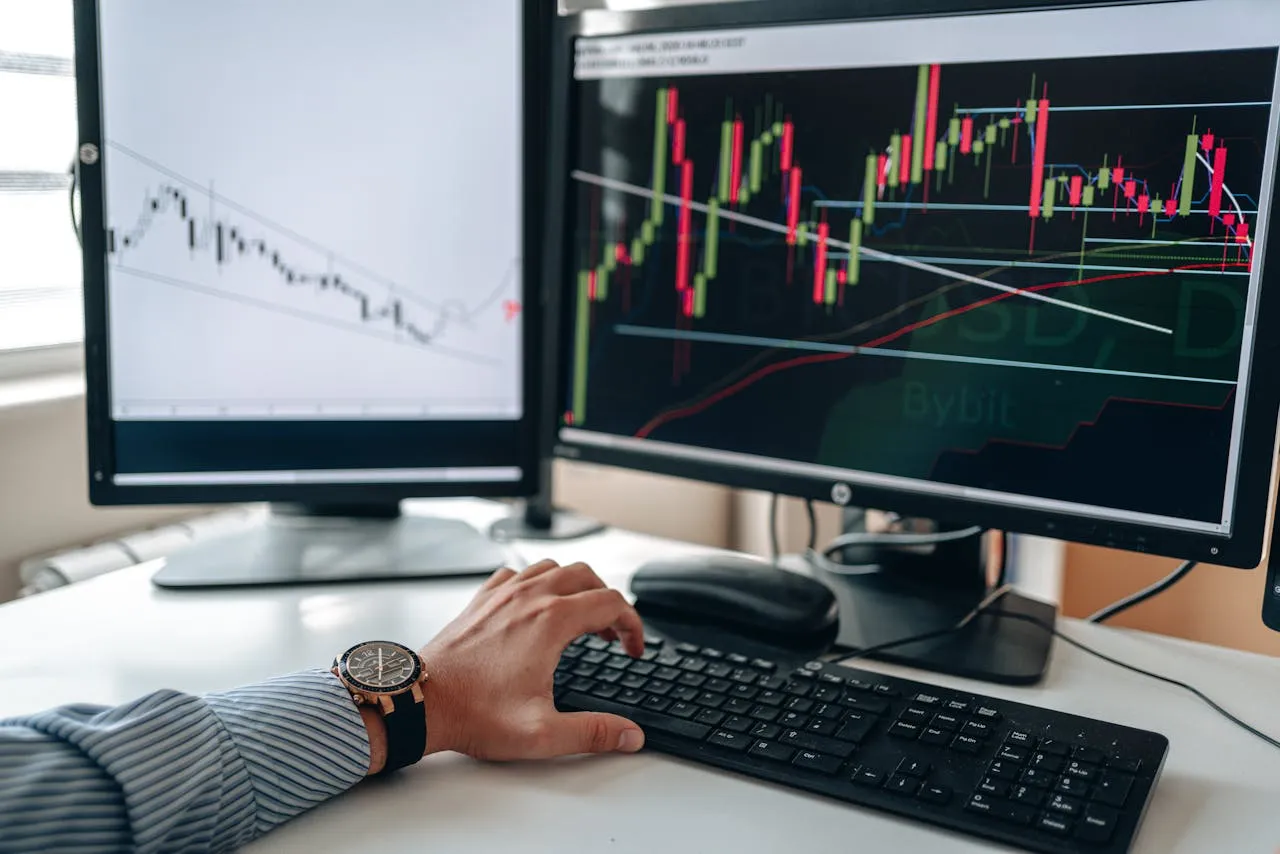
Start with paper trading. Every beginner should practice with simulated money before risking real capital. Paper trading lets you test strategies, learn your platform, and build confidence without losing a dime. But don’t stay in simulation forever: the transition to real money is where the real learning happens.
What Is Paper Trading?
Paper trading (also called simulated or demo trading) lets you place trades using virtual money in real market conditions. Most brokers and platforms offer free paper trading accounts with live price data.
You get to practice everything: reading charts, placing orders, managing stop losses, and testing position sizing. The fills aren’t always perfectly realistic (simulated orders don’t face real slippage or liquidity issues), but it’s close enough to learn the mechanics.
Think of it like a flight simulator. Pilots don’t learn to fly by jumping in a 747. They log hundreds of simulator hours first. Trading works the same way.
The Case for Starting with Real Money
Some experienced traders argue you should skip paper trading entirely and start with tiny real-money positions ($10 to $50 risk per trade). Their reasoning: paper trading doesn’t teach you how to handle the emotions of real money on the line.
They have a point. The psychology of watching your real money fluctuate is completely different from watching virtual numbers move. Fear, greed, and the urge to revenge trade only show up when real dollars are at stake.
However, blowing up a real account because you don’t understand basic order types or risk management is an expensive way to learn. The smart path is paper trading first, then real money second.
When to Make the Switch
You’re ready to go live when you can check these boxes:
- You’ve paper traded for at least 30 to 60 days with consistent results
- You have a written trading plan with clear entry, exit, and risk rules
- You can operate your platform without hesitation or mistakes
- You’ve maintained a trading journal and reviewed your performance
- Your strategy shows a positive edge over at least 50 to 100 simulated trades
When you switch, start with the smallest real position sizes possible. Use our small account tips to manage your first real-money trades wisely.
Key Takeaways
- Paper trading first is the safest path for beginners to learn without financial risk
- Simulated trading teaches mechanics but not the emotional side of real trading
- Switch to real money after 30 to 60 days of consistent paper trading results
- Start with micro positions when you go live to ease the emotional transition
- Paper trading fills aren’t perfectly realistic, but the learning value is still high
Frequently Asked Questions
How long should I paper trade before using real money? At least 30 to 60 days, or until you’ve completed 50 to 100 trades with a consistent strategy. Some traders paper trade for three to six months. There’s no shame in taking your time.
Is paper trading a waste of time? No. It’s essential for learning platform mechanics, testing strategies, and building discipline. It only becomes wasteful if you stay in simulation for years and never make the transition to live trading.
Will my paper trading results match real trading results? Usually they’ll be slightly better in simulation because you won’t experience real slippage, partial fills, or emotional pressure. Expect your live results to be somewhat worse at first, especially while you adjust to the psychological demands.
Risk Disclaimer: Trading involves substantial risk of loss. Past performance is not indicative of future results. See our full risk disclaimer.