
Cryptocurrency Trading Basics for Absolute Beginners
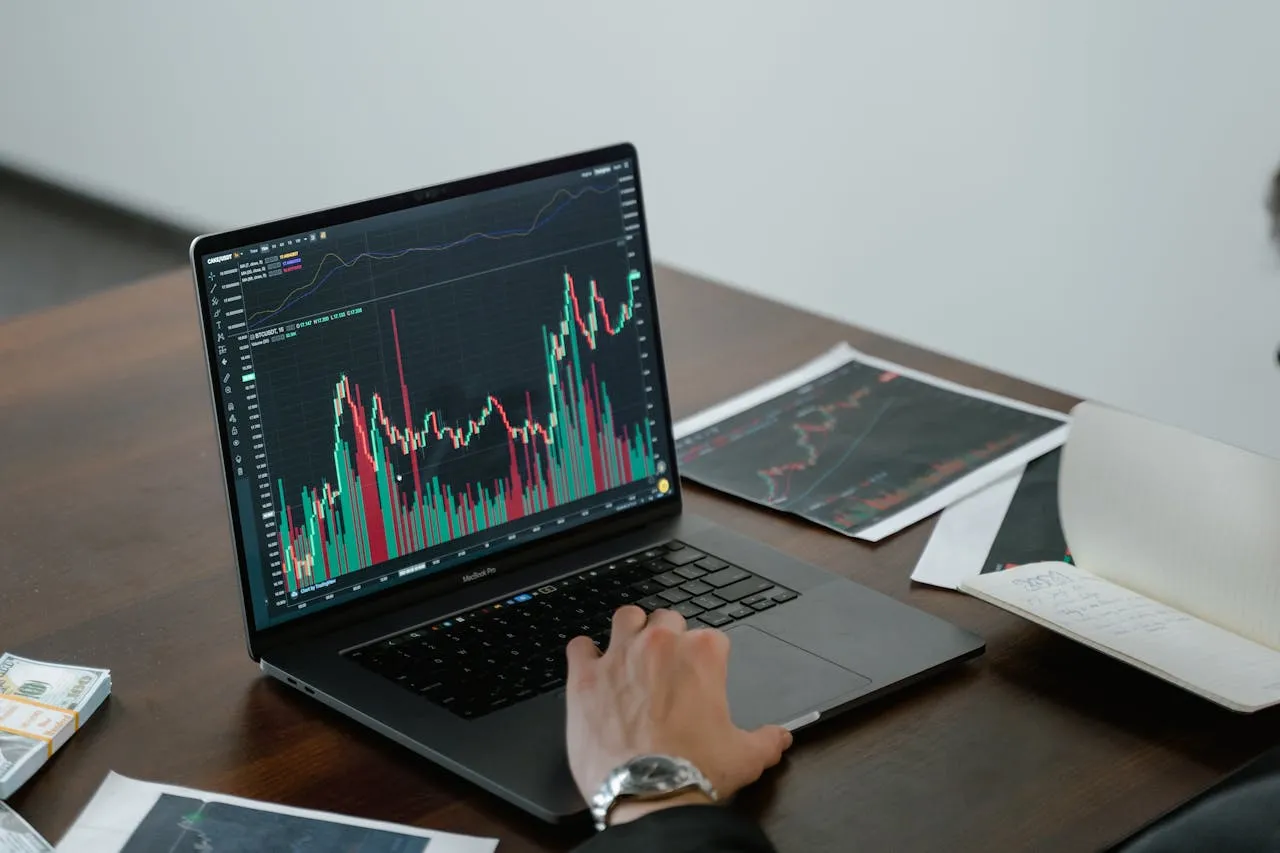
Cryptocurrency trading means buying and selling digital assets like Bitcoin, Ethereum, and altcoins to profit from price movements. Unlike stock markets, crypto markets run 24/7, offer extreme volatility, and let you start with very small amounts. For beginners, crypto is accessible but dangerous without proper risk management.
How Crypto Trading Works
You trade crypto through exchanges like Coinbase, Binance, or Kraken. These platforms work similarly to stock brokers: you deposit funds, place orders, and buy or sell assets. Most exchanges offer both simple “buy/sell” interfaces and advanced trading views with charts and order types.
Crypto trades in pairs. When you buy Bitcoin with US dollars, you’re trading the BTC/USD pair. When you swap Ethereum for Bitcoin, that’s the ETH/BTC pair. Understanding pairs matters because liquidity and spreads vary dramatically between them.
Unlike stocks, you can buy fractions of a cryptocurrency. You don’t need $60,000 to buy one Bitcoin; you can buy $50 worth. This makes crypto one of the most accessible markets for beginners with small accounts.
Key Differences From Stock Trading
Crypto markets never close. There’s no opening bell, no after-hours; prices move around the clock, seven days a week. This means gaps are rare, but it also means your positions are always at risk, even while you sleep.
Regulation is lighter in crypto. There’s no pattern day trader rule, no $25,000 minimum, and leverage is available on many platforms (often dangerously high, up to 100x). The lack of guardrails means you need to be your own risk manager.
Volatility in crypto dwarfs traditional markets. A 5% daily move in stocks is extreme; in crypto, 10-20% swings happen regularly. This creates opportunities but also means you can lose your account fast with poor position sizing.
Getting Started Safely
Start with Bitcoin and Ethereum only. These have the highest liquidity, the most historical data, and the least chance of going to zero. Altcoins can deliver massive returns but many are scams or will lose 90%+ of their value.
Use a reputable exchange with proper security features: two-factor authentication, cold storage for assets, and regulatory compliance. Never leave large amounts on an exchange; use a hardware wallet for long-term holdings.
Set strict rules for yourself. Decide your maximum position size (1-2% of your account per trade is a good starting point), always use stop losses, and never trade with money you can’t afford to lose.
Common Beginner Mistakes
Chasing pumps is the number one killer. By the time you see a coin trending on social media, the easy money has already been made. FOMO (fear of missing out) leads to buying tops.
Over-leveraging is equally destructive. A 100x leveraged position gets liquidated by a 1% move against you. Most successful crypto traders use 2-5x leverage at most, or none at all.
Learn the basics of technical analysis before trading actively. Candlestick patterns, support and resistance, and volume analysis work in crypto just like traditional markets.
Key Takeaways
- Crypto markets run 24/7 with extreme volatility compared to stocks
- Start with Bitcoin and Ethereum before exploring altcoins
- Use reputable exchanges with strong security and two-factor authentication
- Keep position sizes small (1-2% of account) and always use stop losses
- Avoid chasing social media hype and using excessive leverage
Frequently Asked Questions
How much money do I need to start trading crypto? You can start with as little as $10 on most exchanges. However, $200-$500 gives you enough room to practice proper position sizing without fees eating your account.
Is crypto trading profitable for beginners? It can be, but most beginners lose money initially. Focus on learning and preserving capital first. Paper trade or use small amounts until you develop a consistent strategy.
Do I need to pay taxes on crypto trading? Yes, in most countries crypto profits are taxable. In the US, crypto is treated as property by the IRS, so every trade is a taxable event. Keep detailed records of all transactions.
Risk Disclaimer: Trading involves substantial risk of loss. Past performance is not indicative of future results. See our full risk disclaimer.