
How Fed Interest Rate Decisions Affect the Markets
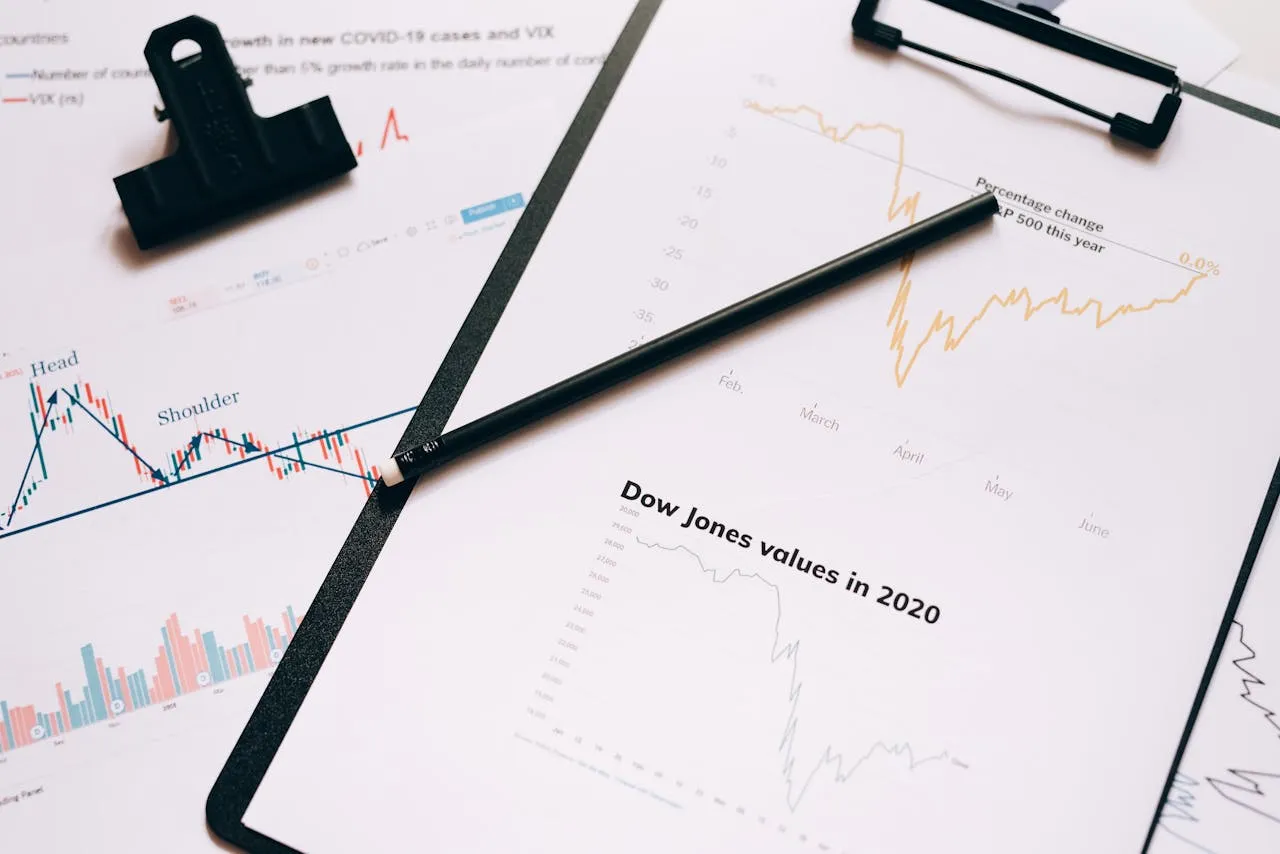
Federal Reserve interest rate decisions are among the most market-moving events in trading. When the Fed raises rates, borrowing becomes more expensive, which tends to weigh on stocks and boost the US dollar. When the Fed cuts rates, cheaper borrowing supports stock prices and weakens the dollar. But the actual move matters less than whether it surprises the market, because expected changes are already priced in.
How Interest Rates Move Markets
The Fed Funds Rate is the benchmark for all borrowing costs in the US economy. Changes ripple through everything:
Stocks: Higher rates increase the cost of corporate borrowing, which squeezes profit margins and reduces the present value of future earnings. Growth stocks (tech, biotech) are especially sensitive because their valuations depend heavily on future cash flows. Lower rates have the opposite effect, making equities more attractive relative to bonds.
Forex: Rate hikes strengthen the US dollar because higher yields attract foreign capital. Rate cuts weaken the dollar. The EUR/USD and USD/JPY pairs often see massive moves during FOMC announcements.
Bonds and Futures: Bond prices move inversely to yields. Rate hikes push bond prices down and yields up. Treasury futures and interest rate futures react immediately to Fed decisions. Stock index futures (ES, NQ) can swing 1 to 3% in the hour after an announcement.
What Really Matters: Expectations vs Reality
Markets don’t wait for the Fed to act. The CME FedWatch tool shows the probability of different rate outcomes based on futures pricing. If markets price in a 95% chance of a 25-basis-point cut, and the Fed delivers exactly that, the move is already priced in. Expect minimal reaction.
The big moves happen when the Fed surprises the market:
- An unexpected rate change (rare but devastating)
- A hawkish statement after a cut (cutting but signaling they might stop)
- A dovish statement after a hold (not cutting yet but suggesting cuts are coming)
- Changes to the “dot plot” showing future rate projections
The press conference after the decision often moves markets more than the decision itself. Every word from the Fed Chair gets parsed for clues about future policy.
How Traders Position Around FOMC
Before the announcement: Volatility typically drops as traders wait, creating a compressed range. Spread widening is common in the minutes before the release.
During the release (2:00 PM ET): Expect violent whipsaws. The initial move often reverses. Many experienced traders avoid the first 5 to 15 minutes entirely.
After the press conference (2:30 PM ET): The sustained directional move usually develops during or after the Q&A. This is when the real trend for the day (or week) often becomes clear.
Most prop firms and risk-conscious traders reduce position sizing or stay flat during FOMC days. The volatility can be massive, and slippage during the announcement makes tight stops unreliable.
For a broader view of economic events, read our guide on how to read an economic calendar.
Key Takeaways
- Fed rate decisions move stocks, forex, bonds, and futures simultaneously
- The surprise relative to expectations matters more than the actual rate change
- The press conference often causes more volatility than the decision itself
- Beginners should avoid trading during FOMC announcements
- Reduced position sizing and wider stops are essential on Fed days
Frequently Asked Questions
How often does the Fed meet? The FOMC meets eight times per year, roughly every six weeks. The schedule is published in advance on the Federal Reserve’s website. Each meeting includes a decision and a statement; four meetings per year also include updated economic projections.
Should I close all positions before a Fed decision? Not necessarily, but consider reducing size. If you’re holding a large position with a tight stop loss, the volatility could take you out even if your directional thesis is correct. Wider stops or smaller positions give you room to survive the initial whipsaw.
How do I know what the market expects? The CME FedWatch tool is the standard resource. It shows probabilities for each potential rate outcome based on Fed Funds futures pricing. Compare the tool’s probabilities to the actual decision to gauge the surprise factor.
Risk Disclaimer: Trading involves substantial risk of loss. Past performance is not indicative of future results. See our full risk disclaimer.