
Fundamental Analysis vs Technical Analysis: Which Is Better?
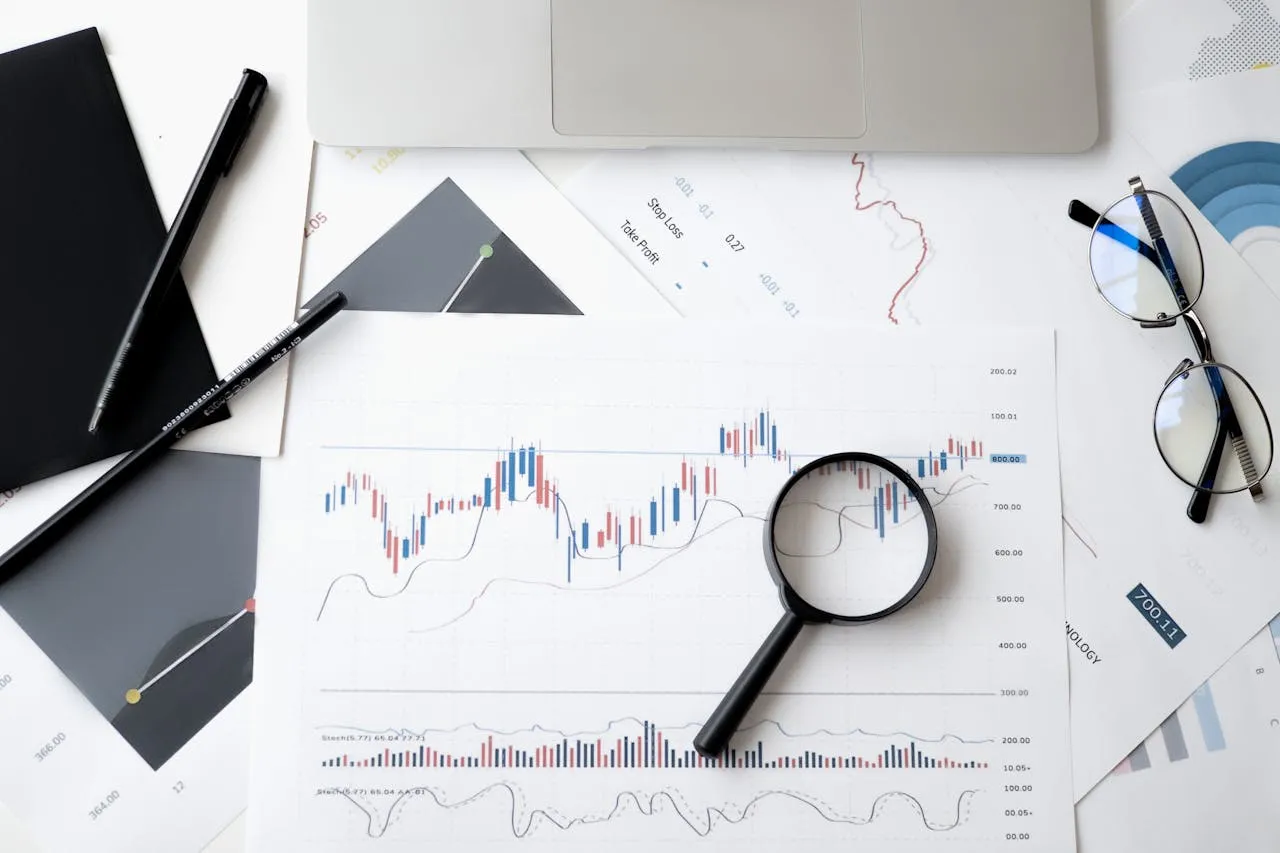
Neither fundamental analysis nor technical analysis is universally better. The right choice depends on your trading style. Technical analysis works best for short-term traders who need precise entry and exit points based on price patterns and indicators. Fundamental analysis works best for longer-term traders and investors who want to understand a company’s or economy’s underlying value. Most successful traders use elements of both.
What Is Fundamental Analysis?
Fundamental analysis evaluates a security’s intrinsic value by examining financial statements, economic data, and industry conditions. For stocks, this means analyzing revenue, earnings, profit margins, debt levels, and growth rates. For forex and macro traders, it involves studying GDP, employment data, inflation (like CPI and PPI), and central bank policy.
The core question fundamentals answer: Is this asset overvalued or undervalued relative to its true worth?
Strengths of fundamental analysis:
- Helps identify long-term trends and value
- Explains WHY price is moving
- Useful for evaluating the overall market environment
- Critical for earnings season trading
Weaknesses:
- Tells you what to buy, but not when to buy it
- Slow to react; doesn’t help with timing entries
- Requires deep knowledge of financial statements and economics
What Is Technical Analysis?
Technical analysis studies price charts, patterns, and indicators to predict future price movements based on historical behavior. It uses tools like moving averages, RSI, MACD, support and resistance levels, candlestick patterns, and volume analysis.
The core assumption: price already reflects all available information, so you only need to study the chart.
Strengths of technical analysis:
- Provides specific entry and exit points
- Works on any timeframe (1-minute to monthly charts)
- Applicable to any market: stocks, futures, forex, crypto
- Easy to learn the basics and start applying immediately
Weaknesses:
- Doesn’t explain why moves happen
- Indicators can give conflicting or lagging signals
- Patterns fail regularly, especially in choppy markets
Which Should You Use?
Day traders rely almost entirely on technical analysis. When you’re trading 5-minute candles, a company’s earnings report next month is irrelevant. You need to read the chart, react to price action, and manage your positions in real time.
Swing traders benefit from combining both. Use fundamentals to pick which stocks or sectors to focus on (strong earnings, good sector rotation), then use technicals to time your entries and exits.
Position traders and investors lean more heavily on fundamentals for stock selection but use technicals to avoid buying at resistance or selling at support.
The best approach for most beginners: start with technical analysis because it gives you actionable trading signals, then layer in fundamental awareness to understand the bigger picture. You don’t need to be an expert in both.
Key Takeaways
- Technical analysis is best for timing entries and exits, especially on short timeframes
- Fundamental analysis is best for understanding value and longer-term trends
- Day traders primarily use technicals; swing traders and investors benefit from both
- Price charts already reflect fundamental information, so technicals are never “wrong” about what the market is doing
- Start with technical analysis as a beginner, then add fundamentals to improve context
Frequently Asked Questions
Can I be profitable using only technical analysis? Yes. Many successful day traders use nothing but charts and price action. Technical analysis gives you everything you need for timing trades. Just be aware that ignoring major fundamental events (like Fed decisions or earnings) can lead to nasty surprises.
Is fundamental analysis harder to learn? It requires more domain knowledge (accounting, economics, industry expertise) compared to learning chart patterns and indicators. But at a basic level, understanding a few key metrics like P/E ratio, revenue growth, and debt levels is straightforward.
Do professional traders use both? Most do, in varying degrees. Hedge funds often have fundamental analysts and technical analysts working together. Even algorithmic trading systems frequently incorporate fundamental data alongside technical signals.
Risk Disclaimer: Trading involves substantial risk of loss. Past performance is not indicative of future results. See our full risk disclaimer.