
What Is a Gap in Trading? Types and How to Trade Them
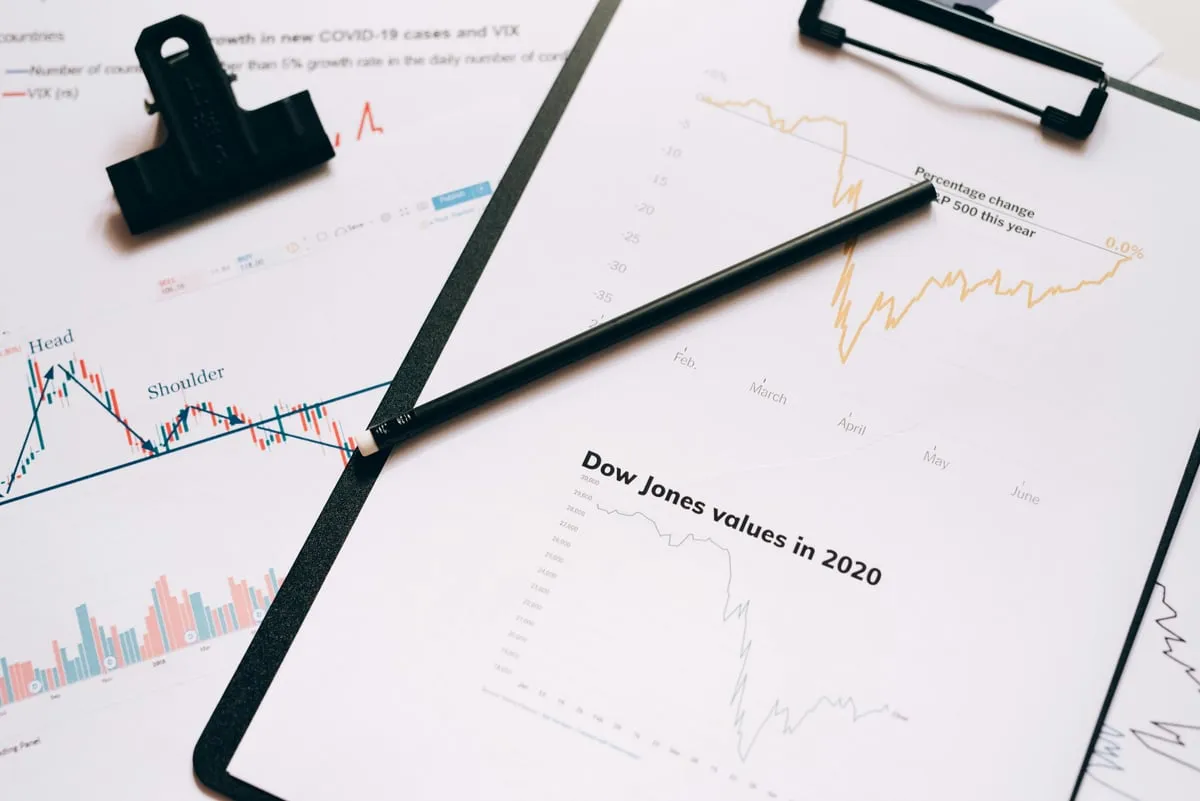
A gap in trading occurs when a stock’s price opens significantly higher or lower than the previous day’s close, leaving a visible empty space on the chart. A gap up means the open is above yesterday’s close; a gap down means it’s below. Gaps happen because of overnight news, earnings reports, or pre-market activity, and they create some of the best trading opportunities of the day.
Why Gaps Form
Gaps form when supply and demand shift dramatically between sessions. After the market closes at 4 PM ET, news continues: earnings reports, analyst upgrades, economic data, geopolitical events. By the time the market reopens, the price has adjusted to reflect the new information.
Pre-market trading sets the actual opening price. If a company beats earnings estimates by 20% after hours, buyers flood in during pre-market, pushing the price well above yesterday’s close. When the regular session opens, there’s a visible gap on the chart.
Gaps are most common in stocks and least common in 24-hour markets like forex and crypto (since those markets rarely close). Futures can gap on Sunday night opens and around holidays.
The Four Types of Gaps
Common gaps: Small gaps that occur regularly and usually get filled quickly. They happen in low-volatility stocks or during quiet market periods. No significant news behind them; they’re just normal price fluctuations.
Breakaway gaps: These occur when price gaps out of a consolidation pattern or through a major support or resistance level. They signal the start of a new trend and typically come with massive volume. Breakaway gaps usually don’t fill for a long time.
Continuation (runaway) gaps: These appear in the middle of a strong trend, showing that momentum is accelerating. The trend is so strong that price literally jumps to the next level. These gaps also tend to remain unfilled while the trend persists.
Exhaustion gaps: These occur near the end of a trend and signal that the move is almost over. They look like breakaway gaps initially but get filled quickly as the trend reverses. High volume followed by a rapid reversal characterizes exhaustion gaps.
How to Trade Gaps
Gap and go: When a stock gaps up on strong news with heavy pre-market volume, it often continues in the gap direction. Enter with the momentum after the first few minutes of the session confirm the direction. This strategy works best on breakaway and continuation gaps.
Gap fill (fade the gap): Many gaps get filled, meaning price returns to the previous day’s close. Common gaps and exhaustion gaps are candidates for this strategy. Wait for signs of reversal in the first 15-30 minutes, then trade toward the fill level. Use the gap’s high (for gap ups) or low (for gap downs) as your stop loss.
Key rule: never blindly fade a gap. A stock that gaps up 30% on a massive earnings beat is not going to fill that gap anytime soon. Reserve gap fade trades for smaller, less-justified gaps.
Reading Gap Strength
Volume is the most important factor. A gap on 5x normal volume is significant. A gap on average volume is likely to fill. Check pre-market volume before the open to gauge how seriously to take the gap.
The size of the gap matters too. Gaps of 1-3% on an average stock are often noise. Gaps of 5%+ backed by a catalyst (earnings, FDA approval, acquisition) deserve respect and are more likely to continue than fill.
Our pre-market trading guide covers how to prepare for gaps before the session opens.
Key Takeaways
- Gaps occur when price opens significantly above or below the previous close
- Four types: common, breakaway, continuation, and exhaustion
- Volume and catalyst strength determine whether a gap will fill or continue
- Gap and go trades momentum; gap fill fades weak gaps back to the prior close
- Never blindly fade large, catalyst-driven gaps
Frequently Asked Questions
Do all gaps eventually get filled? Most common gaps fill, but breakaway gaps from major events can stay open for months or years. The “all gaps fill” rule is a dangerous oversimplification.
What time of day is best for trading gaps? The first 30-60 minutes after the market open is when gap trades are most active. By mid-day, most gap-related momentum has played out. Day traders focus their gap strategies on the morning session.
Can I trade gaps in futures? Yes, though futures gaps are less common since they trade nearly 24 hours. Sunday night opens and holiday reopenings create the biggest futures gaps. The same principles of volume and context apply.
Risk Disclaimer: Trading involves substantial risk of loss. Past performance is not indicative of future results. See our full risk disclaimer.