
ES Futures Trading: A Beginner's Complete Guide
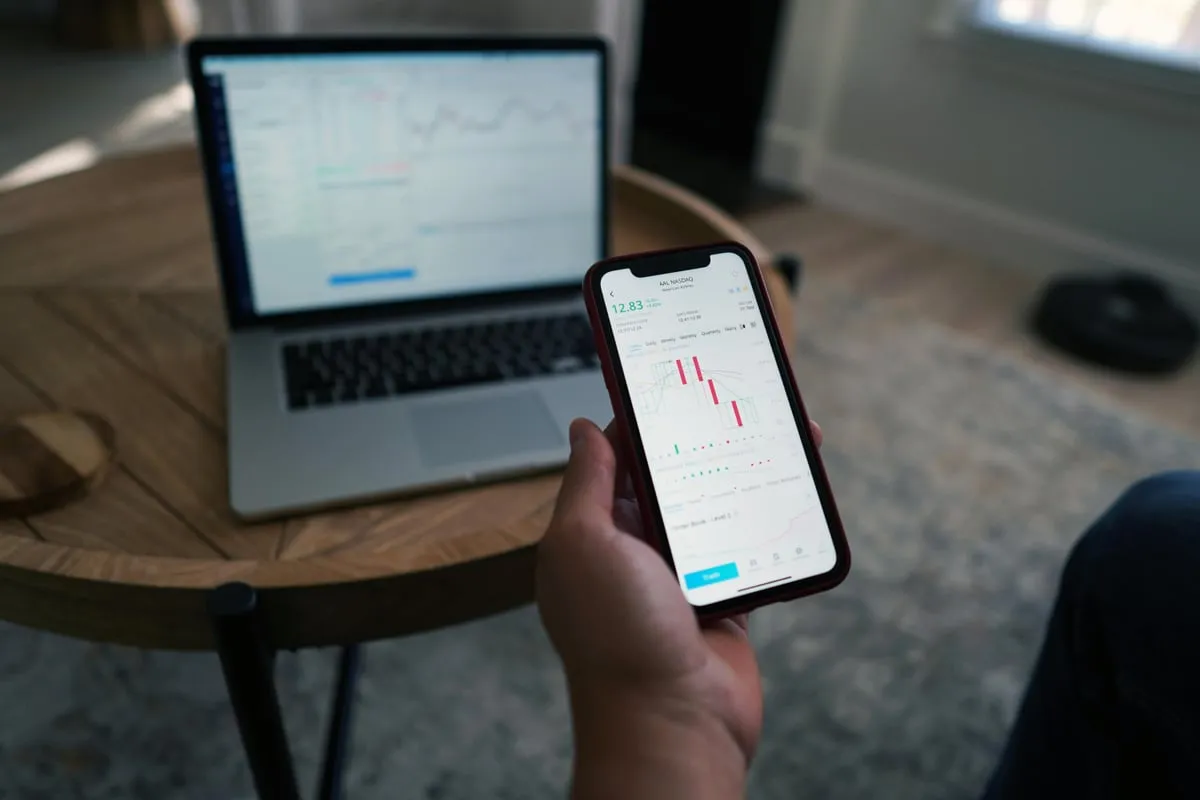
The E-mini S&P 500 (ES) is the most actively traded futures contract in the world, with over 1.5 million contracts traded daily. It tracks the S&P 500 index, moves $50 per point ($12.50 per tick), and offers day traders exceptional liquidity, tax advantages, and near-24-hour market access. Beginners can start with the Micro E-mini (MES) at 1/10th the size.
ES Contract Specifications
One ES contract represents $50 times the S&P 500 index value. With the index around 5,500, a single contract has a notional value of approximately $275,000. The minimum tick size is 0.25 points, worth $12.50 per tick.
Trading hours: Sunday 6:00 PM to Friday 5:00 PM Eastern Time, with a daily break from 5:00 to 6:00 PM ET. The most active period is 9:30 AM to 4:00 PM ET when the cash stock market is open.
Contract expiration: ES contracts expire quarterly (March, June, September, December). Most day traders roll to the next contract a few days before expiration and never take delivery.
Margin requirements: Intraday margin ranges from $500 to $1,000 per contract (broker-dependent). Overnight margin is approximately $13,000 to $15,000 per contract. For the Micro (MES), divide these numbers by 10.
Why Traders Choose ES
The ES offers several advantages over stocks for active trading. There’s no Pattern Day Trader rule, so you can day trade with a $2,000 account using micro contracts. Leverage is built into the contract, no need to apply for margin accounts.
Tax treatment under Section 1256 means futures profits are taxed at a blended 60% long-term / 40% short-term capital gains rate, regardless of holding period. For active traders in higher tax brackets, this can save thousands annually compared to stock trading.
The ES also responds cleanly to technical analysis. Key levels like the previous day’s high, low, and volume point of control (VPOC) consistently attract price action. Support and resistance zones are respected more reliably than in many individual stocks because institutional flow dominates.
Getting Started: Step by Step
Step 1: Open a futures-approved brokerage account. Popular choices include NinjaTrader, Tradovate, AMP Futures, and Interactive Brokers. The application process takes 1 to 3 days.
Step 2: Fund your account with at least $1,000 to $2,000 for micro futures trading. This provides enough cushion for normal drawdowns without triggering margin calls.
Step 3: Start with the MES (Micro E-mini), not the full ES. At $5 per point, the MES lets you practice with real money while keeping risk manageable. Trade 1 contract only for your first month.
Step 4: Focus on one or two simple setups. Many ES traders start with the opening range breakout (first 15 to 30 minutes) or VPOC bounce trades. Master one setup before adding more.
Step 5: Keep a detailed trading journal from day one. Record entry, exit, stop loss, reasoning, and emotional state. Review weekly. Check our guide on tracking trading performance for a structured approach.
Common ES Trading Strategies for Beginners
Opening Range Breakout: Mark the high and low of the first 15 or 30 minutes. Trade the breakout direction with a stop on the opposite side of the range.
VPOC Mean Reversion: When price moves significantly away from the previous session’s VPOC, look for reversal signals to trade back toward it. This works well in range-bound days.
Moving Average Pullbacks: On trending days, use the 9 or 21 EMA as dynamic support/resistance. Enter pullbacks to the moving average in the direction of the trend.
Key Takeaways
- The ES is the most liquid futures contract, making it ideal for day trading
- Start with the Micro E-mini (MES) at $5/point instead of the full ES at $50/point
- Futures offer tax advantages (60/40 blended rate) and no Pattern Day Trader rule
- Fund your account with at least $1,000 to $2,000 for micro futures
- Focus on one or two simple strategies before expanding your playbook
Frequently Asked Questions
How much can you make day trading ES futures? Consistent ES day traders typically target 2 to 10 points per day on the MES ($10 to $50 per contract). Profitability depends on your strategy, risk management, and number of contracts. Focus on process and risk control rather than dollar targets.
Is the ES too volatile for beginners? The full ES contract can be volatile ($500+ swings per contract daily), but the MES at 1/10th size makes it manageable. A 10-point daily range on MES means $50 per contract, similar to the volatility of trading 5 to 10 shares of a $100 stock.
What time of day is best for trading ES? The first hour after the stock market opens (9:30 to 10:30 AM ET) and the last hour before close (3:00 to 4:00 PM ET) typically offer the most volume and movement. Many beginners focus exclusively on the morning session.
Risk Disclaimer: Trading involves substantial risk of loss. Past performance is not indicative of future results. See our full risk disclaimer.