
Trend Following Strategy: How to Trade With the Trend
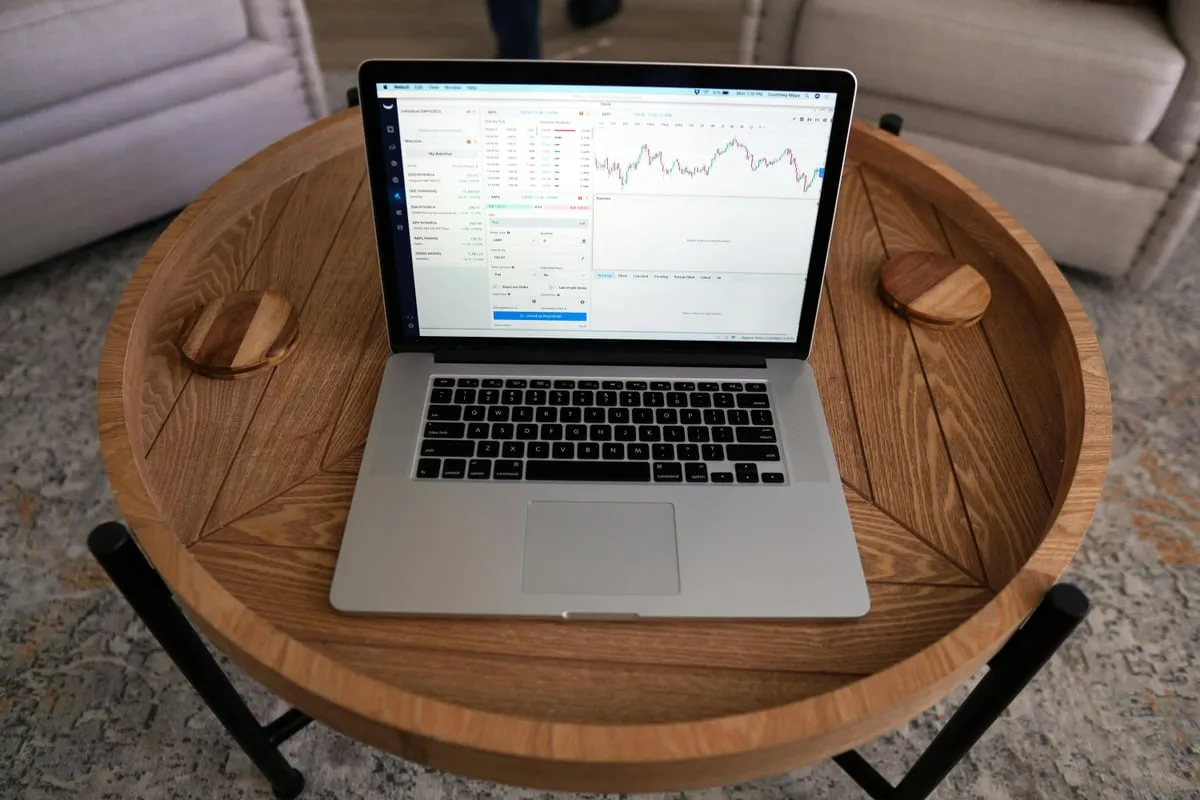
Trend following is a strategy where you identify the direction the market is moving and trade with it, holding positions until the trend reverses. The philosophy is simple: “the trend is your friend.” Trend followers do not predict where price will go; they react to where it is already going. This approach has been used profitably by hedge funds, commodity traders, and retail traders for decades.
How to Identify a Trend
A trend exists when price consistently makes:
- Uptrend: Higher highs and higher lows. Each pullback stays above the previous low, and each rally makes a new high.
- Downtrend: Lower highs and lower lows. Each rally fails to reach the previous high, and each drop makes a new low.
Use these tools to confirm the trend:
- Moving averages: Price above the 50 and 200 SMA = uptrend. Below both = downtrend. The moving average crossover (golden cross / death cross) signals trend changes.
- ADX indicator: A reading above 25 confirms a trending market. Below 20 suggests no trend (range-bound).
- Trendlines: Connect the higher lows in an uptrend or the lower highs in a downtrend. Price respecting the trendline confirms the trend.
Trend Following Entry Methods
You have two main ways to enter a trend:
Pullback entries: Wait for price to dip back to a key level (moving average, trendline, or support) and enter when it bounces. This gives you a better price and tighter stop loss. Our pullback trading guide covers this in detail.
Breakout entries: Enter when price breaks to a new high (in an uptrend) or new low (in a downtrend). This confirms the trend is continuing but gives you a higher entry price. See our breakout strategy guide for specifics.
Most trend followers combine both: use breakouts to identify new trends and pullbacks to add to existing positions.
Managing Trend Following Trades
The key to trend following is letting winners run. Many traders cut profits too quickly and miss the bulk of the trend. Here is how to stay in:
Trailing stops: Move your stop loss up as the trend progresses. Common methods include trailing below the 20 EMA, trailing 2x ATR below price, or moving your stop to each new higher low.
Scaling out: Take partial profits at predetermined targets (1:1, 2:1, 3:1 risk-reward) and let the remainder ride with a trailing stop. This locks in gains while keeping upside open.
Time-based review: Check the trend weekly. If the higher highs / higher lows structure is intact, stay in. If it breaks, exit. Do not micro-manage trend trades on lower timeframes.
When Trend Following Fails
Trend following struggles in range-bound, choppy markets. When there is no clear direction, trend signals generate whipsaws and losses. This is why successful trend followers accept that 40-50% of their trades will be losers. The winners need to be large enough to more than cover the losses.
The mean reversion approach works better in ranging markets. Knowing which environment you are in is half the battle.
Key Takeaways
- Trend following trades in the direction of established momentum without trying to predict reversals
- Identify trends using higher highs / higher lows, moving averages, and ADX
- Enter trends via pullbacks (better price) or breakouts (more confirmation)
- Let winners run using trailing stops; do not cut profitable trends short
- Accept that many trades will lose; the big winners pay for the small losers
Frequently Asked Questions
How long do you hold a trend following position? As long as the trend lasts. Some trends last days, others last months. The key is staying in until your trailing stop is hit or the trend structure breaks. Swing traders hold for days to weeks; position traders hold for weeks to months.
What is the best market for trend following? Futures markets (commodities, indices, currencies) are the traditional playground for trend followers because they trend well over multi-week periods. Stocks also trend, especially sector leaders during bull markets.
Can I trend follow on intraday charts? Yes, but intraday trends are shorter and noisier. A 5-minute chart uptrend might last only a few hours. The 15-minute or 1-hour chart provides cleaner intraday trends. Always align your intraday trend trades with the daily chart direction for the best results.
Risk Disclaimer: Trading involves substantial risk of loss. Past performance is not indicative of future results. See our full risk disclaimer.