
How to Create a Watchlist: Finding the Best Stocks to Trade
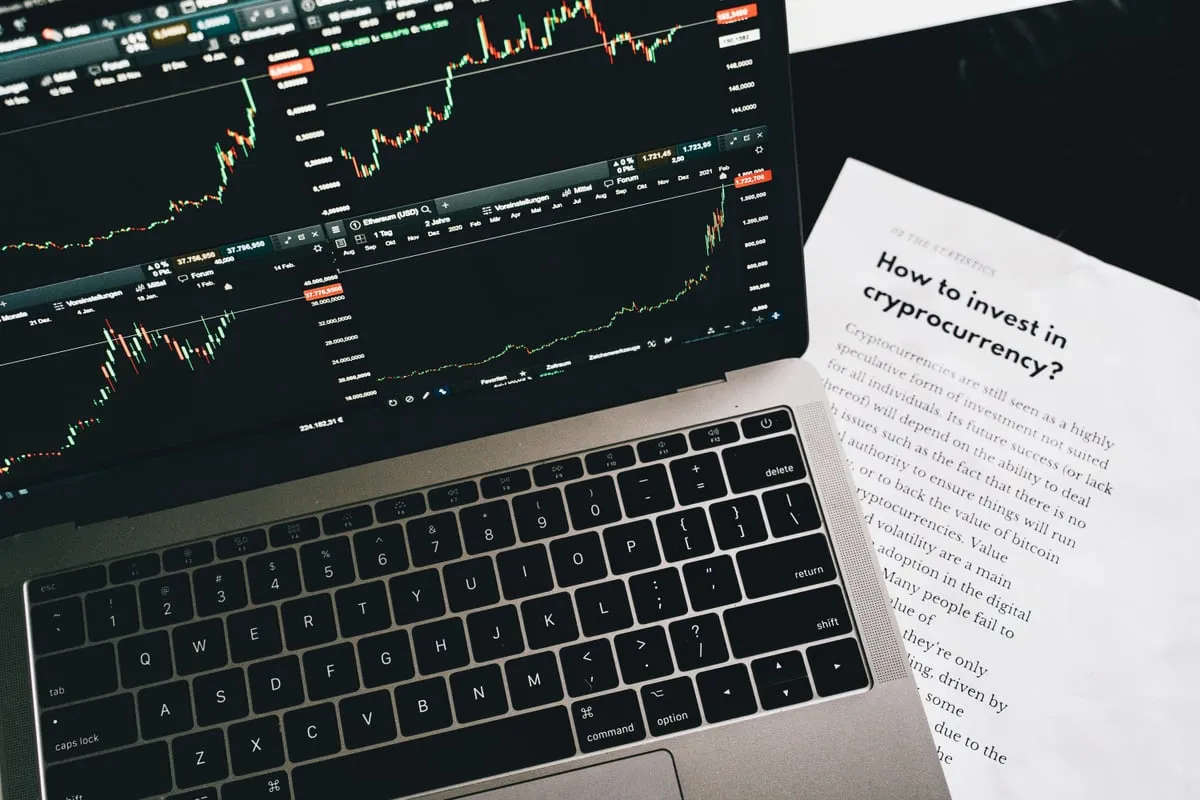
A trading watchlist is a curated list of stocks (or other instruments) that you monitor daily for trade setups. Instead of scanning thousands of tickers randomly, a focused watchlist of 5-20 names gives you depth of knowledge and faster decision-making. The best traders in the world start every session with a watchlist, not a random search.
Why You Need a Watchlist
Without a watchlist, you are reacting instead of preparing. You end up chasing whatever stock is trending on social media or jumping into trades without understanding the chart’s history. A watchlist solves this by:
- Giving you familiarity with how specific stocks move
- Letting you prepare entries, stops, and targets the night before
- Reducing emotional, impulsive decisions at the open
- Focusing your attention on high-quality setups instead of noise
Think of it this way: a surgeon does not walk into an operating room and pick a random patient. They prepare. Your watchlist is your prep.
How to Build Your Watchlist
Step 1: Define your criteria. What makes a stock “watchlist worthy” depends on your strategy:
- Day traders: stocks with above-average volume, clear intraday ranges, and upcoming catalysts
- Swing traders: stocks at key support or resistance levels, forming chart patterns, or showing momentum
- Breakout traders: stocks in tight consolidation with declining volume, ready to move
Step 2: Use scanners. Stock screeners like Finviz, TradingView, and Trade Ideas filter thousands of stocks based on your criteria. Common filters include:
- Average daily volume above 500,000 shares
- Price range that fits your account size ($10-$200 for most traders)
- Relative strength vs. the S&P 500
- Near a 52-week high or key moving average
Step 3: Review the charts. Run every scanner result through a quick chart check. Is the structure clean? Can you identify clear levels? Is the price action readable? If the chart is messy, skip it regardless of what the scanner says.
Step 4: Limit the list. Keep your watchlist to 5-10 names for day trading and 10-20 for swing trading. If you cannot give each stock adequate attention, it should not be on the list.
Maintaining Your Watchlist
A watchlist is not static. Update it regularly:
- Nightly: Spend 15-30 minutes each evening reviewing your list. Remove stocks that have played out or broken their setup. Add new candidates from your scanners.
- Weekly: Do a deeper review. Which sectors are showing strength? Which stocks have the cleanest charts? Rotate your list to match current market conditions.
- After earnings: Stocks that just reported earnings often move to new price zones. Reassess whether the setup still exists.
Organizing Your Watchlist
Many traders keep multiple lists:
- A-list: Top 3-5 stocks you are actively planning to trade tomorrow. These have specific entry levels marked.
- B-list: 5-10 stocks approaching setups but not quite ready. You are monitoring them.
- Sector list: ETFs or sector leaders you watch for broader market context (SPY, QQQ, sector ETFs).
Label each stock with notes: the setup type, key levels, the catalyst, and your planned action. A watchlist entry like “AAPL: pullback to 20 EMA at $185, long above $186, stop $183” is far more useful than just “AAPL.”
Key Takeaways
- A focused watchlist of 5-20 stocks beats scanning thousands of tickers randomly
- Build your list using scanners filtered for volume, price range, and technical criteria
- Review and update your watchlist every evening; it should evolve with market conditions
- Keep an A-list (ready to trade) and B-list (approaching setups) for organization
- Annotate each stock with specific levels, setups, and planned actions
Frequently Asked Questions
How many stocks should be on my watchlist? For day trading, 5-10 stocks is ideal. For swing trading, 10-20 works. If you have more than 20, you cannot give each one the attention it needs. Quality over quantity.
What is the best free stock screener? Finviz (finviz.com) is the most popular free screener with extensive fundamental and technical filters. TradingView also offers excellent screening with chart integration. Both are great starting points.
Should I include futures on my watchlist? If you trade futures, absolutely. Many futures traders keep a simpler list since they focus on just a few contracts (ES, NQ, CL). The watchlist concept still applies: know your key levels, setups, and plan before the session starts.
Risk Disclaimer: Trading involves substantial risk of loss. Past performance is not indicative of future results. See our full risk disclaimer.