
Stocks vs Futures: Which Is Better for Beginners?
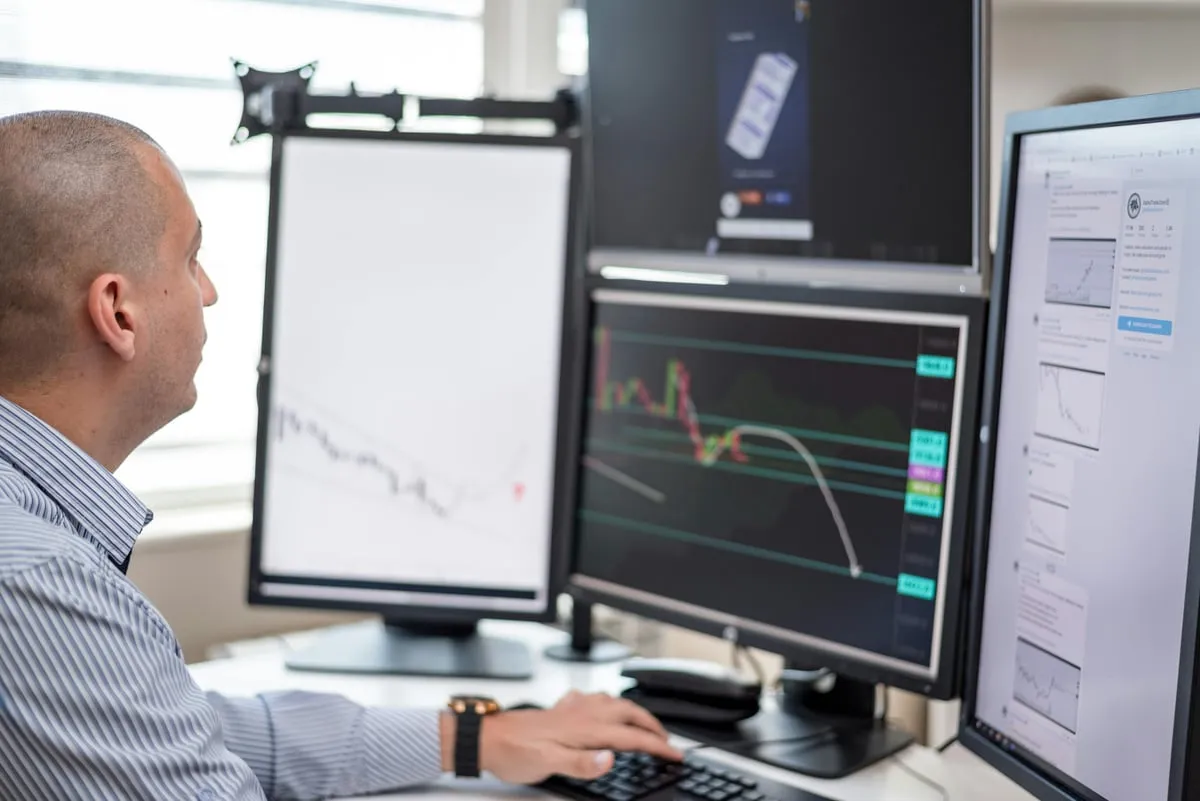
For most beginners, stocks are the easier starting point because of lower complexity, no expiration dates, and widespread educational resources. However, futures offer advantages like lower capital requirements for day trading, built-in leverage, and nearly 24-hour market access. The best choice depends on your capital, schedule, and how much complexity you are ready to handle.
Capital Requirements
Stocks have the Pattern Day Trader (PDT) rule in the US: you need at least $25,000 in your account to make more than three day trades per week. This is a significant barrier for beginners with smaller accounts.
Futures have no PDT rule. You can day trade futures with accounts as small as $500 at some brokers, though $2,000 to $5,000 is more practical. Micro futures contracts (Micro E-mini S&P 500, Micro E-mini Nasdaq) require even less margin, making them accessible to smaller accounts.
If you have less than $25,000 and want to day trade actively, futures have a clear advantage.
Leverage and Risk
Futures are inherently leveraged. A single E-mini S&P 500 contract controls roughly $250,000 of notional value with around $13,000 in margin. This leverage amplifies both gains and losses, making risk management critical.
Stocks can be traded without leverage, and many beginners should start this way. You can buy 10 shares of a $50 stock for $500 and risk only what you invested. Margin accounts allow leverage on stocks too, but it is optional.
For beginners still learning position sizing and stop loss discipline, stocks without leverage are less forgiving of mistakes in a good way: your losses are limited to what you put in.
Trading Hours and Flexibility
US stock markets are open 9:30 AM to 4:00 PM Eastern, Monday through Friday. Pre-market and after-hours trading exist but have low liquidity and wider spreads.
Futures trade nearly around the clock: Sunday 6:00 PM to Friday 5:00 PM Eastern with a daily 60-minute maintenance break. This extended schedule benefits traders in different time zones or those who work traditional jobs and want to trade evenings.
Product Simplicity
When you buy a stock, you own a piece of a company. The concept is straightforward. Futures are contracts with expiration dates, contract specifications, tick sizes, and rollover periods. The learning curve for understanding futures mechanics is steeper.
That said, once you understand the basics, trading futures is mechanically similar to trading stocks. The order types, charts, and analysis techniques overlap significantly.
Prop Firm Considerations
Most prop firms focus on futures trading, particularly E-mini and Micro E-mini contracts. If your goal is to trade someone else’s capital through a funded account, learning futures makes strategic sense. Check our prop firm directory to see which instruments top firms support.
Key Takeaways
- Stocks are simpler and better for absolute beginners learning fundamentals
- Futures bypass the $25,000 PDT rule and allow day trading with smaller capital
- Futures leverage amplifies both profits and losses, requiring strong risk management
- Nearly 24-hour futures markets offer scheduling flexibility
- Most prop firms focus on futures, making them strategic for funded trading goals
Frequently Asked Questions
Can I switch from stocks to futures later? Absolutely. Many traders start with stocks to learn market basics and transition to futures once they understand leverage, margin, and risk management. The chart reading and technical analysis skills transfer directly.
Are futures riskier than stocks? Futures have more inherent leverage, which means the potential for larger losses relative to your account size. However, risk is managed through position sizing and stop losses. A disciplined futures trader can manage risk just as effectively as a stock trader.
What are micro futures? Micro futures are smaller versions of standard futures contracts, typically one-tenth the size. They allow beginners to trade futures markets with significantly less capital and risk per contract while learning the mechanics.
Risk Disclaimer: Trading involves substantial risk of loss. Past performance is not indicative of future results. See our full risk disclaimer.