
News-Based Trading: How to Trade Around Market Events
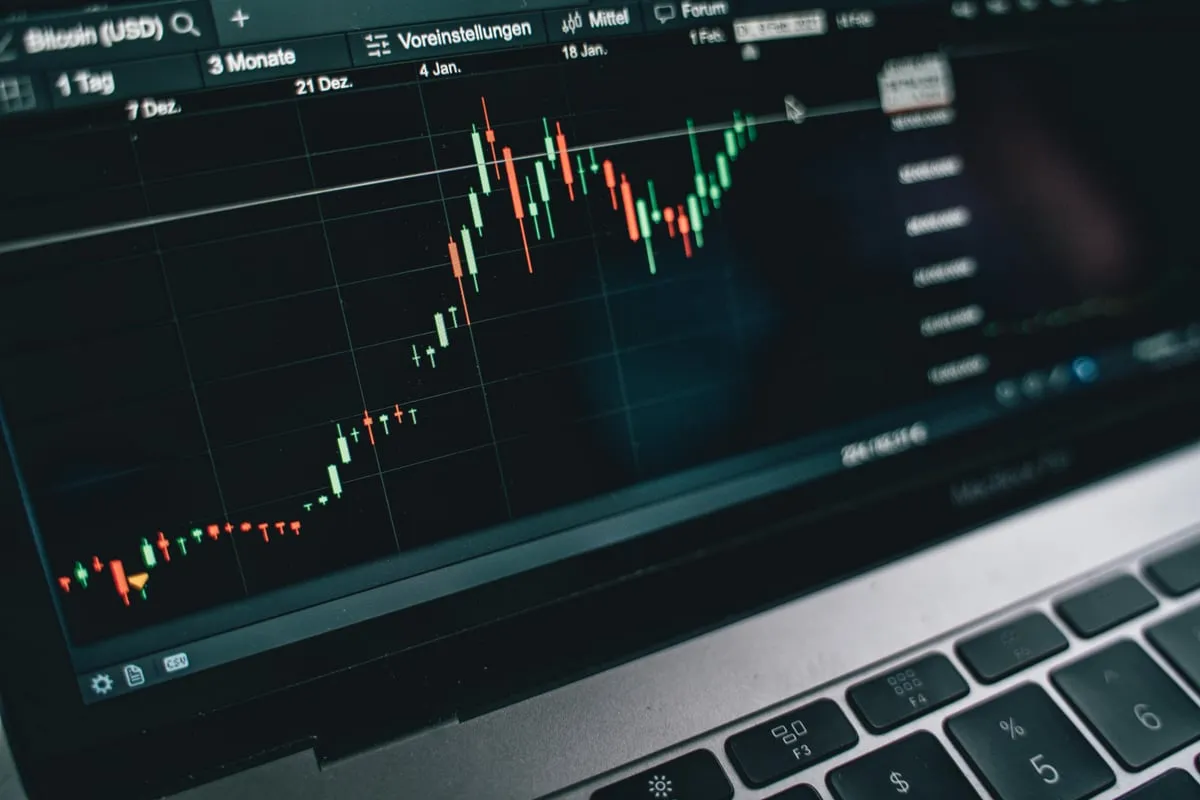
News-based trading profits from the volatility created by economic reports, earnings releases, central bank decisions, and geopolitical events. When major news hits, markets can move dramatically in seconds. News traders position themselves to capture these moves, either by trading the initial reaction or the follow-through. It is one of the fastest-paced trading styles, and it rewards preparation.
Types of Market-Moving News
Not all news is created equal. Here are the events that move markets most:
- Economic data releases: Non-Farm Payrolls (NFP), CPI inflation, GDP, and Fed interest rate decisions are the biggest movers. These are scheduled and predictable.
- Earnings reports: Quarterly earnings can move individual stocks 5-20% in minutes. The reaction depends on whether results beat, meet, or miss expectations.
- Central bank announcements: Fed rate decisions and press conferences move futures, currencies, and bonds simultaneously.
- Geopolitical events: Wars, elections, trade deals, and sanctions create unscheduled volatility. These are harder to prepare for.
The key distinction: scheduled news (you know it is coming) versus unscheduled news (surprises). You can prepare strategies for scheduled events. Unscheduled events require fast reaction or, more often, standing aside.
Pre-News Strategies
Straddle approach: Before a major scheduled event, volatility contracts as traders wait. Some traders place buy orders above the range high and sell orders below the range low, expecting a big move in one direction without knowing which. The winning order executes; the losing order is your stop.
Reduce exposure: If you have open positions, tighten stops or reduce size before major news. A surprise number can move markets against you faster than you can react. Many prop firms prohibit holding through high-impact news events.
Wait for the number: The safest approach is to be flat before the news and trade the reaction. This avoids getting caught on the wrong side but requires fast execution.
Post-News Trading
The initial reaction to news is often chaotic and filled with slippage. The better opportunity is usually the second move:
- News hits. Price spikes violently in one direction.
- The initial spike reverses partially as profit-taking occurs.
- The “real” move begins as the market digests the data and institutions execute their orders.
Wait for step 3. Let the first 5-10 minutes of chaos settle, then look for the continuation direction. This is safer than trying to catch the initial spike, where spreads are widest and fills are worst.
Essential News Trading Rules
- Always check the economic calendar (Forex Factory, Investing.com) at the start of each week. Know what is coming and when.
- Never trade without a stop loss during news events. Price can gap through your intended exit, but a stop limits the damage.
- Reduce position size by 50% around high-impact news. Volatility is amplified, so your normal size carries double the risk.
- Avoid low-liquidity instruments. Trade major futures contracts, large-cap stocks, and major forex pairs where spreads stay reasonable even during volatility.
Key Takeaways
- News trading profits from the volatility around scheduled and unscheduled market events
- Scheduled events (NFP, CPI, Fed decisions, earnings) can be prepared for in advance
- The safest approach is often to wait for the initial spike to settle, then trade the follow-through
- Always reduce position size and use stop losses around high-impact news
- Check the economic calendar weekly and know which events can affect your open positions
Frequently Asked Questions
Should beginners trade news events? Beginners should start by watching news events without trading them. Observe how price reacts, how long the volatility lasts, and where the real move starts. Paper trade news events for at least a month before risking real money.
What is the biggest risk with news trading? Slippage and gaps. During major news, your stop loss might not fill at your intended price. Price can jump 50+ points on ES futures in a second. This is why reduced position sizing is critical around news.
Do prop firms allow news trading? Many prop firms restrict or prohibit holding positions through high-impact news events. Check your firm’s rules carefully. Some firms allow it with reduced size; others will flag it as a rule violation during your evaluation.
Risk Disclaimer: Trading involves substantial risk of loss. Past performance is not indicative of future results. See our full risk disclaimer.