
Index Futures vs Individual Stocks for Day Trading
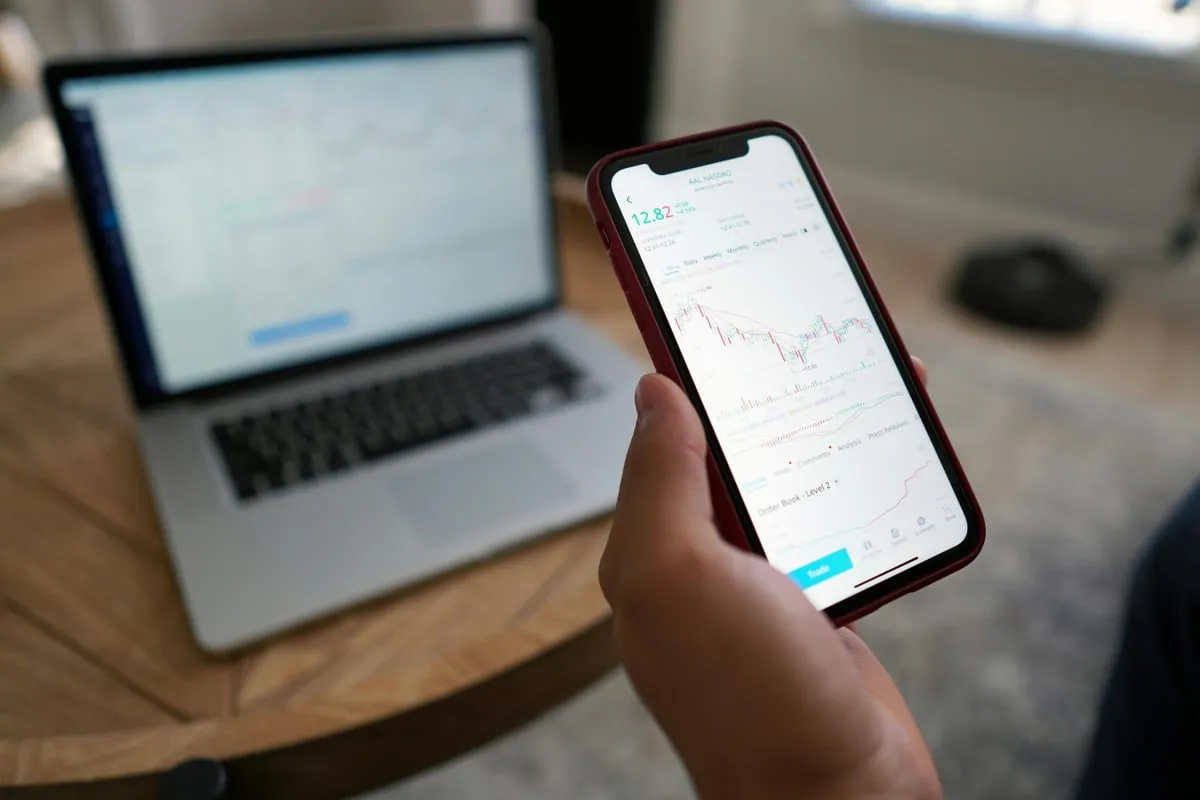
Index futures (ES, NQ, YM) are better for most day trading setups. They offer superior liquidity, lower effective costs, tax advantages (60/40 rule), and no Pattern Day Trader restriction. Individual stocks work better if you prefer trading catalysts like earnings, news events, or specific sector momentum.
Why Index Futures Dominate Day Trading
The E-mini S&P 500 (ES) trades over 1.5 million contracts daily. The Micro E-mini (MES) adds millions more. This massive volume means you get filled at your price with minimal slippage, even during fast moves. Compare that to individual stocks where liquidity varies wildly: Apple fills smoothly, but a mid-cap stock might gap through your stop loss.
Futures also trade nearly 24 hours, Sunday evening through Friday afternoon. You can react to overnight news, trade the Asian or European session, and manage positions outside regular stock market hours. Individual stocks give you 6.5 hours of regular trading plus limited pre-market and after-hours sessions.
The tax treatment is another significant edge. In the US, futures profits are taxed at a blended rate: 60% long-term capital gains, 40% short-term, regardless of holding period. Stock day trading profits are taxed as ordinary income, which can mean a 10% to 15% higher tax rate.
When Individual Stocks Are the Better Choice
Stocks shine when catalysts create outsized moves. An earnings beat can send a stock up 10% to 20% in a single session. FDA approvals, merger announcements, and short squeezes create opportunities that index futures simply don’t replicate.
If you enjoy researching companies, reading SEC filings, and building watchlists of specific names, stock trading keeps you engaged. Futures trading on index contracts is more abstract: you’re trading “the market” rather than a story about a specific company.
Stock traders also have thousands of names to choose from daily. If the market is choppy and the S&P 500 is going nowhere, individual stocks with their own catalysts may still offer clean setups.
Check out our guide on ES futures trading for a deeper look at getting started with index futures.
Capital Requirements Compared
Individual stocks require $25,000 for unlimited day trading (Pattern Day Trader rule). Futures have no such restriction. You can day trade futures all day with a $500 to $2,000 account using micro contracts.
A single MES contract requires roughly $50 to $100 in margin intraday (broker-dependent). A single ES contract needs about $500 to $1,000 intraday. This leverage is powerful but demands strict risk management.
Key Takeaways
- Index futures offer better liquidity, near-24-hour trading, and favorable tax treatment
- No Pattern Day Trader rule for futures, making them accessible with smaller accounts
- Individual stocks are better for catalyst-driven, news-based trading strategies
- Futures require understanding margin and leverage, which adds complexity
- Many active traders start with stocks and transition to futures as they gain experience
Frequently Asked Questions
What is the ES futures contract? The E-mini S&P 500 (ES) is a futures contract based on the S&P 500 index. One point of movement equals $50 per contract. The Micro E-mini (MES) is 1/10th the size at $5 per point.
Do I need a special account to trade futures? Yes. You need a futures-approved brokerage account. Most brokers (NinjaTrader, Tradovate, AMP) offer straightforward applications. Approval is typically faster than options approval.
Can I trade both futures and stocks in the same account? Some brokers like Interactive Brokers allow both in one account. Others require separate accounts for futures and equities. Check your broker’s account types before applying.
Risk Disclaimer: Trading involves substantial risk of loss. Past performance is not indicative of future results. See our full risk disclaimer.