
What Is Volatility and Why Do Traders Love It?
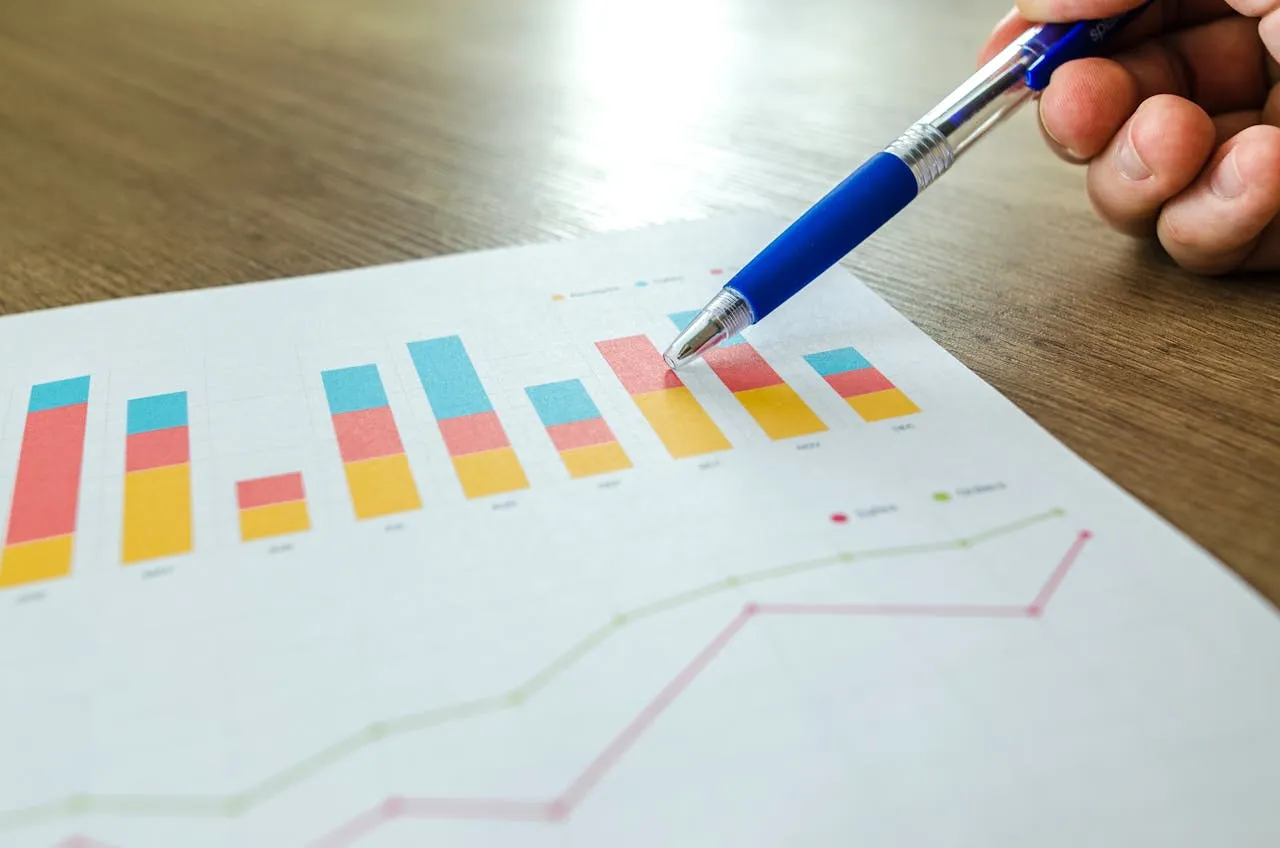
Volatility measures how much and how quickly a price moves. High volatility means big price swings; low volatility means the price barely moves. Traders love volatility because it creates the price movement needed to make money. Without it, there’s nothing to trade.
How Volatility Is Measured
The most common measure is historical volatility, which calculates the standard deviation of price changes over a set period. A stock with 40% annual volatility moves roughly twice as much as one with 20%.
Implied volatility (IV) comes from options pricing and tells you what the market expects future volatility to be. High IV means traders expect big moves ahead, often before earnings reports or major news events.
The VIX (often called the “fear index”) measures expected volatility in the S&P 500. When the VIX spikes above 30, markets are turbulent. Below 15, things are calm. Day traders watch the VIX to gauge overall market conditions.
You don’t need complex formulas. Most trading platforms display volatility metrics on their charts. What matters is understanding what the numbers mean for your trading.
Why Traders Need Volatility
If you buy a stock and it moves $0.05 per day, you’d need enormous position sizing to make meaningful profit. But a stock moving $2-$5 per day gives you plenty of room to capture gains with reasonable size.
Scalping, day trading, and swing trading all depend on price movement. The more volatile the instrument, the more opportunities per session. That’s why futures contracts on indices like the NQ (NASDAQ) and ES (S&P 500) are so popular: they move consistently every day.
Volatility also creates cleaner technical setups. Support and resistance levels, breakout patterns, and momentum trades all work better when price is actually moving.
The Other Side: Volatility Risk
More movement means more risk. The same volatility that lets you make $500 in an hour can take $500 just as fast. Your stop loss placement must account for the instrument’s typical range, or you’ll get stopped out constantly.
Beginners often get attracted to the most volatile stocks without adjusting their risk. If you normally trade a stock that moves $1 per day and switch to one that moves $10, your position size needs to shrink proportionally. Our risk management guide covers this in detail.
Key Takeaways
- Volatility measures the speed and magnitude of price changes
- Traders need volatility to profit; flat markets offer no opportunity
- The VIX tracks expected S&P 500 volatility and gauges market sentiment
- Higher volatility requires smaller position sizes to maintain the same risk
- Always adjust stop losses to match the volatility of what you’re trading
Frequently Asked Questions
Is high volatility good or bad for traders? It depends on your skill level. Experienced traders prefer high volatility for the profit opportunities it creates. Beginners should start with moderate volatility to learn without getting whipsawed.
What causes volatility to spike? Earnings reports, economic data releases, Federal Reserve announcements, geopolitical events, and unexpected news all trigger volatility spikes. These events create uncertainty, and uncertainty drives price movement.
How do I find volatile stocks to trade? Use a stock screener filtered by average daily range, volume, and percent change. Most platforms also have “top movers” or “most active” lists that highlight volatile stocks each day.
Risk Disclaimer: Trading involves substantial risk of loss. Past performance is not indicative of future results. See our full risk disclaimer.