
How to Read Candlestick Charts: A Beginner's Guide
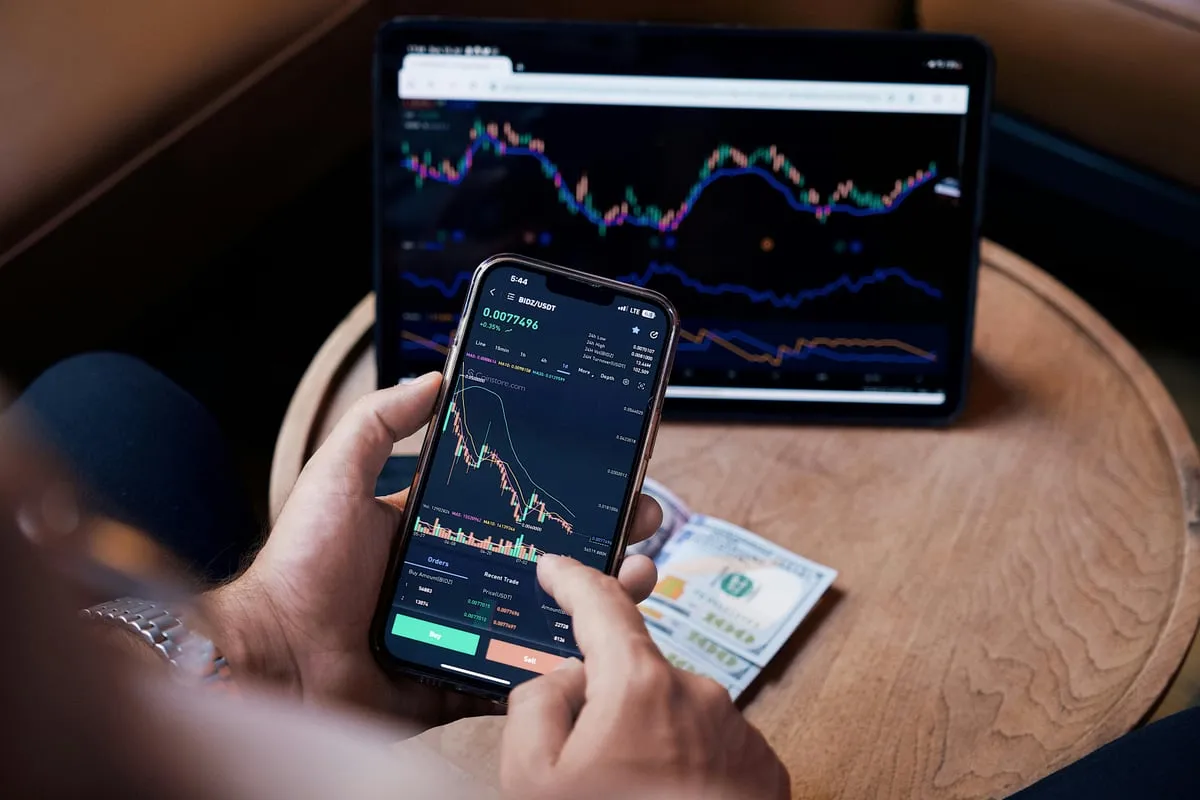
A candlestick chart displays price movement over time using individual “candles” that show the open, high, low, and close for each time period. Reading candlestick charts is the single most important technical skill for any trader. Once you understand candles, every other form of technical analysis builds on that foundation.
Anatomy of a Candlestick
Each candle has two parts: the body and the wicks (also called shadows). The body shows the range between the open and close price. The wicks show the high and low extremes that price reached during that period.
A green (or white) candle means the close was higher than the open. Price went up. A red (or black) candle means the close was lower than the open. Price went down.
A candle with a long body and short wicks shows strong conviction. Buyers or sellers were in control the entire period. A candle with a small body and long wicks shows indecision: price moved a lot but ended up near where it started.
The timeframe determines what each candle represents. On a 5-minute chart, each candle covers 5 minutes of trading. On a daily chart, each candle covers a full trading day. The same stock will look completely different depending on which timeframe you choose.
Essential Candlestick Patterns
Doji: A candle where the open and close are nearly identical, creating a tiny body with wicks on both sides. It signals indecision and potential reversal, especially after a strong trend.
Hammer: A small body at the top with a long lower wick. It appears at the bottom of downtrends and suggests buyers stepped in to push price back up. A bullish signal.
Engulfing pattern: A two-candle pattern where the second candle’s body completely covers the first. A bullish engulfing (green candle engulfing red) suggests a reversal upward. A bearish engulfing is the opposite.
Shooting star: The inverse of a hammer. A small body at the bottom with a long upper wick. It appears at the top of uptrends and signals potential selling pressure ahead.
Reading Candles in Context
Individual candles tell you something, but context tells you everything. A hammer at a key support level is far more meaningful than a hammer in the middle of nowhere. An engulfing pattern on heavy volume is more reliable than one on thin volume.
Always look at what came before the pattern. A doji after five strong green candles has different implications than a doji during sideways chop. The pattern gains significance from its location.
Combine candlestick reading with other tools like moving averages and RSI for confirmation. No single candle pattern should be your only reason to enter a trade. Visit our education section for more on combining indicators.
How to Practice
Open any chart on TradingView or your broker’s platform and switch to candlestick view. Scroll back in time and identify patterns, then see what happened next. This kind of chart review builds pattern recognition faster than reading about it.
Start with daily charts where patterns are cleaner and more reliable. Move to shorter timeframes once you’re comfortable identifying the basics.
Key Takeaways
- Each candlestick shows open, high, low, and close for a time period
- Green candles close higher than they open; red candles close lower
- Key patterns include doji, hammer, engulfing, and shooting star
- Context matters more than the individual pattern itself
- Practice by reviewing historical charts before trading with real money
Frequently Asked Questions
Which candlestick pattern is the most reliable? Engulfing patterns at key support or resistance levels with high volume tend to be among the most reliable. No pattern works 100% of the time, so always use confirmation.
Should I use candlestick charts or bar charts? Candlestick charts convey the same information as bar charts but are easier to read visually. Most traders prefer candlesticks, and virtually all educational content uses them.
What timeframe is best for reading candlestick patterns? Daily and 4-hour timeframes produce the most reliable patterns. Shorter timeframes like 1-minute or 5-minute charts generate more noise, making patterns less dependable.
Risk Disclaimer: Trading involves substantial risk of loss. Past performance is not indicative of future results. See our full risk disclaimer.