
Momentum Trading Strategy: How to Ride Strong Moves
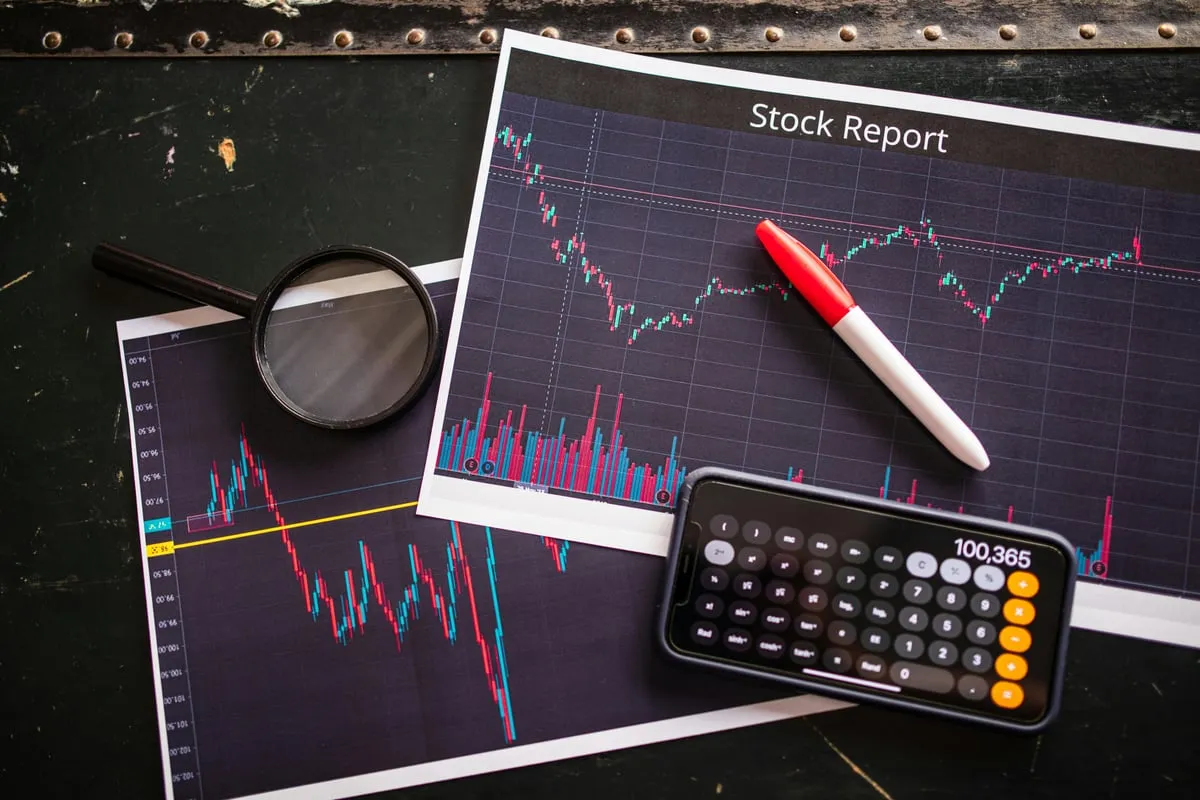
Momentum trading is a strategy where you buy assets that are rising strongly and sell (or short) assets that are falling strongly. The core idea: things in motion tend to stay in motion. Stocks making new highs often keep climbing, and stocks breaking down often keep falling. Your job is to hop on early and ride the wave.
Why Momentum Works
Markets are not perfectly efficient in the short term. When a stock gets a catalyst (earnings beat, news event, sector rotation), it takes time for all participants to react. Early buyers drive the price up, which attracts more buyers, creating a self-reinforcing cycle.
Volume is the fuel behind momentum. A stock surging on 5x its average volume has real conviction behind the move. A stock drifting up on low volume is more likely to reverse. Always check volume before chasing any momentum setup.
How to Identify Momentum Stocks
Look for these characteristics:
- Relative strength: The stock is outperforming its sector and the broader market. If the S&P 500 is flat and your stock is up 3%, that is relative strength.
- Volume surge: At least 2-3x average daily volume confirms institutional participation.
- Clean chart structure: Price is above its key moving averages (20 EMA, 50 SMA) and making higher highs and higher lows.
- Catalyst: Earnings surprises, FDA approvals, contract wins, or sector-wide news provide the spark.
Many day traders use scanners to find stocks gapping up or down with unusual volume before the market opens. Building a watchlist of momentum candidates is a critical part of your daily prep.
Entry and Exit Rules
Entry: Wait for a pullback within the trend, then enter when price resumes in the momentum direction. Chasing a straight-up move is risky because you are buying at the worst price. A pullback to the 9 or 20 EMA in an uptrend is a classic momentum entry.
Stop loss: Place your stop loss below the most recent pullback low (for longs) or above the pullback high (for shorts). Using ATR to size your stop helps account for the stock’s volatility.
Exit: Take partial profits at 1:1 risk-reward and trail the rest. A trailing stop using the 9 EMA or a 2x ATR trail lets you capture extended moves while locking in gains. Momentum can carry far beyond what seems “reasonable.”
Momentum Trading Mistakes
The biggest mistake is chasing extended moves without a pullback. When a stock has already run 10% straight up, buying the top hoping for another 2% is low-probability and high-risk.
Another common error: ignoring the broader market. Even the strongest momentum stock will struggle if the overall market is selling off hard. Check the VIX and major indices before committing to momentum trades.
Key Takeaways
- Momentum trading profits from strong, directional moves backed by volume and catalysts
- Always confirm momentum with above-average volume; low-volume moves are unreliable
- Enter on pullbacks within the trend, not at the top of extended moves
- Use trailing stops (9 EMA or ATR-based) to ride momentum while protecting profits
- Check the broader market context before taking any momentum trade
Frequently Asked Questions
Is momentum trading the same as trend following? They overlap, but momentum trading focuses on the strength and speed of a move, while trend following focuses on the direction over a longer period. Momentum traders often hold for hours to days; trend followers may hold for weeks or months.
What indicators help with momentum trading? RSI above 60 confirms bullish momentum. MACD crossing above zero supports the trend. Volume and moving averages are essential. But the best momentum indicator is price itself: higher highs and higher lows.
Can you momentum trade futures? Absolutely. Futures markets like ES, NQ, and crude oil have strong momentum moves, especially around economic data releases. The built-in leverage in futures makes momentum trading capital-efficient but also amplifies risk.
Risk Disclaimer: Trading involves substantial risk of loss. Past performance is not indicative of future results. See our full risk disclaimer.