
Stock Market Hours: When Can You Actually Trade?
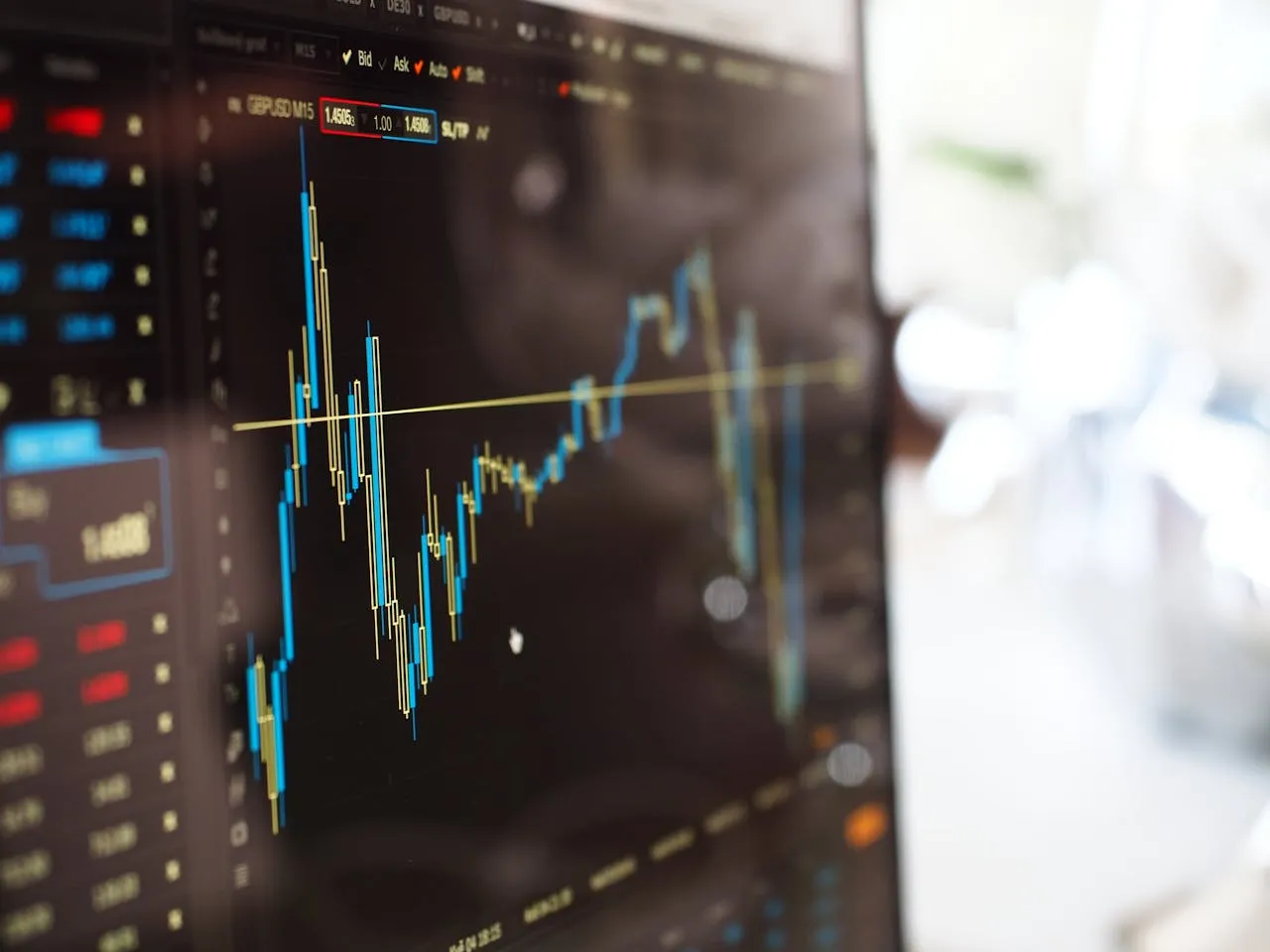
The US stock market is open from 9:30 AM to 4:00 PM Eastern Time, Monday through Friday. Pre-market trading starts as early as 4:00 AM and after-hours trading runs until 8:00 PM at most brokers. Futures and forex markets have different, longer hours. Here’s exactly when you can trade each market and when the best opportunities tend to appear.
Regular Stock Market Hours
The New York Stock Exchange (NYSE) and NASDAQ both operate from 9:30 AM to 4:00 PM Eastern, Monday through Friday. This is when the vast majority of stock trading volume occurs. Liquidity is highest, spreads are tightest, and order execution is fastest during regular hours.
The market is closed on weekends and major US holidays including New Year’s Day, Martin Luther King Jr. Day, Presidents’ Day, Good Friday, Memorial Day, Independence Day, Labor Day, Thanksgiving, and Christmas. Some holidays have early closures at 1:00 PM Eastern.
Pre-Market and After-Hours Trading
Pre-market: 4:00 AM to 9:30 AM Eastern. Volume is thin, spreads are wider, and prices can be more volatile. Big moves often happen here when companies release earnings before the market opens or when overnight news breaks.
After-hours: 4:00 PM to 8:00 PM Eastern. Similar to pre-market: lower volume, wider spreads, and prices driven by earnings announcements and news events.
Most brokers support extended-hours trading, but not all. You’ll typically need to use limit orders (not market orders) during these sessions because the lower liquidity can cause poor fills. Beginners should generally stick to regular hours until they understand how thin markets behave.
Other Market Hours
Futures: Nearly 24 hours from Sunday 6:00 PM to Friday 5:00 PM Eastern, with a daily maintenance break from 5:00 to 6:00 PM. This means you can trade popular instruments like the E-mini S&P 500 almost any time.
Forex: 24 hours a day, five days a week. The most active sessions are London (3:00 AM to 12:00 PM Eastern) and New York (8:00 AM to 5:00 PM Eastern). The overlap between these sessions (8:00 to 12:00 PM Eastern) typically has the highest volatility and best trading opportunities.
Options: Same as stocks: 9:30 AM to 4:00 PM Eastern. Some index options (like SPX) have slightly extended hours.
When Are the Best Times to Trade?
The first and last hours of regular stock market sessions typically offer the most opportunity:
9:30 to 11:00 AM Eastern (“the opening range”): Highest volume, biggest moves. This is when most day traders are active. News reactions, gap fills, and momentum trades are most common here.
11:00 AM to 2:00 PM Eastern (“the lunch lull”): Volume drops, moves get choppy and directionless. Many experienced traders take a break during this window.
2:00 to 4:00 PM Eastern (“power hour”): Volume picks up again as institutions and algorithms adjust positions before the close. Strong trends often develop in the last hour.
For beginners, focus your trading on the first 90 minutes. You’ll see the most setups and learn faster. Explore our education section for time-specific strategies.
Key Takeaways
- Regular US stock market hours are 9:30 AM to 4:00 PM Eastern, Monday through Friday
- Pre-market (4 AM) and after-hours (until 8 PM) have lower volume and wider spreads
- Futures trade nearly 24 hours; forex trades 24/5
- The best stock trading opportunities are typically in the first 90 minutes after open
- Beginners should stick to regular hours and avoid extended sessions initially
Frequently Asked Questions
Can I trade stocks on weekends? No. US stock exchanges are closed Saturday and Sunday. If you want weekend trading access, cryptocurrency markets operate 24/7 and futures open Sunday evening at 6:00 PM Eastern.
Do market hours change for daylight saving time? The market always follows Eastern Time, so the clock times don’t change. However, if you’re in a time zone that doesn’t observe daylight saving (like Arizona or most of the world), the market hours relative to your local time will shift twice a year.
Is it better to trade in the morning or afternoon? Most day traders prefer the morning (9:30 to 11:00 AM Eastern) because volume and volatility are highest. The afternoon session (2:00 to 4:00 PM) can also be productive, especially in trending markets. The midday lull is generally best avoided.
Risk Disclaimer: Trading involves substantial risk of loss. Past performance is not indicative of future results. See our full risk disclaimer.