
Creating a Post-Trade Routine: What to Do After Markets Close
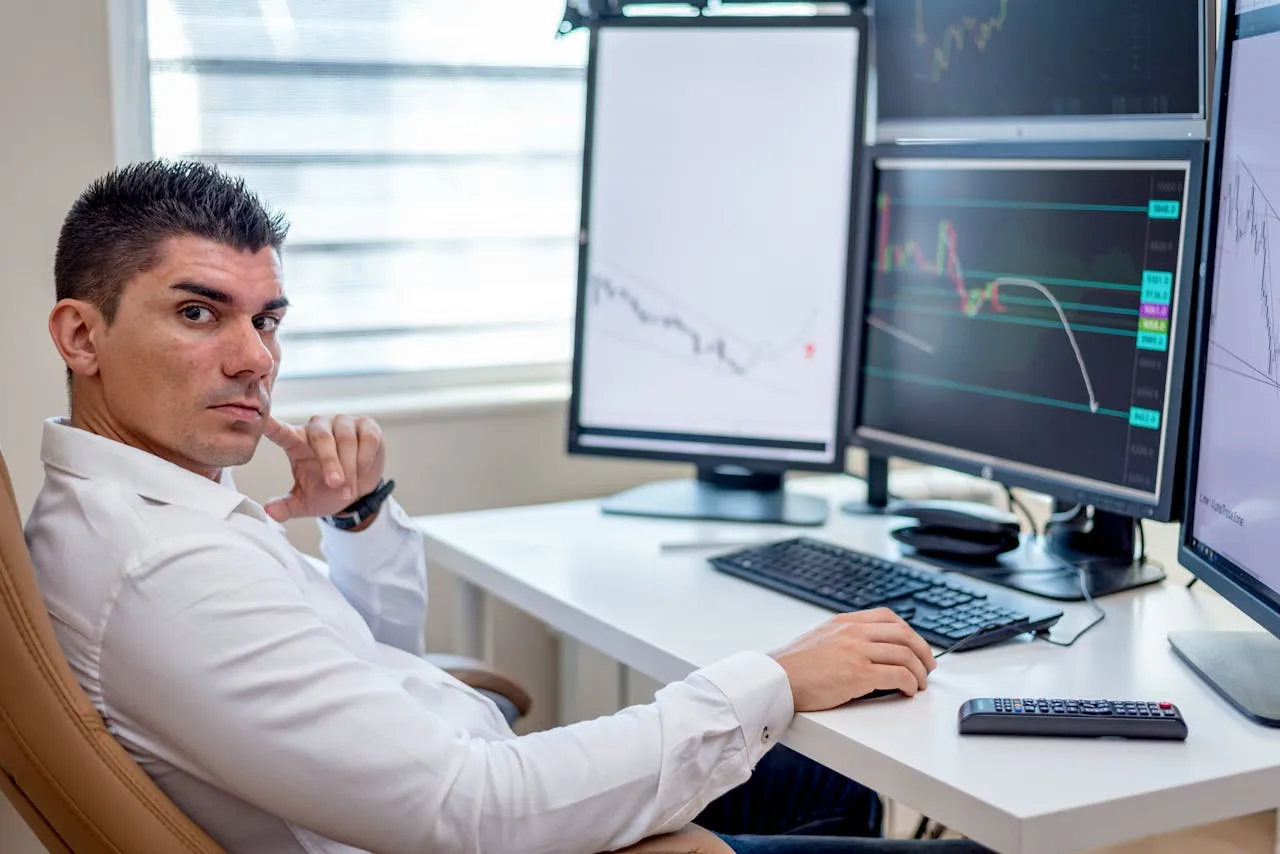
Your post-trade routine is where real improvement happens. The 30 to 60 minutes after markets close should include three things: reviewing your trades, updating your journal, and mentally disconnecting from the market. Traders who skip this step repeat the same mistakes. Traders who do it consistently improve faster than those who only focus on their pre-market preparation.
Reviewing Your Trades
Within 30 minutes of your last trade, go through every position you took that day. For each trade, answer these questions:
- Did this trade follow my plan? (Yes or no, no gray area)
- Was my entry at the level I intended?
- Did I manage the trade according to my rules?
- What was the outcome, and was it related to my execution or just market movement?
Separate your analysis of the decision from the result. A trade that followed your plan but lost money is a good trade. A trade that broke your rules but made money is a bad trade. This distinction is critical for long-term development.
Screenshot your charts with entry and exit points marked. Visual records are far more useful than text descriptions when you review your trades weeks later.
Updating Your Trading Journal
Your journal should capture both quantitative data and qualitative observations. The numbers side is straightforward: instrument, direction, entry price, exit price, position size, P&L, and risk-reward ratio.
The qualitative side is where the real value lives. Write one or two sentences about your emotional state during the trade. Were you calm and following the plan, or anxious and second-guessing? Did you feel pressure from earlier losses? Were you overconfident after a winning streak?
After a week of journal entries, patterns emerge. You might notice that your worst trades happen on Fridays, or that you overtrade after a morning winner, or that you consistently exit winning trades too early. These patterns are invisible without a journal but obvious once you write things down.
Mentally Disconnecting from the Market
After your review, close your charts and step away. Continuing to watch the market after hours creates anxiety about “what could have been” and makes it harder to reset for the next session.
Go for a walk, exercise, cook dinner, spend time with family, or pursue a hobby that has nothing to do with markets. Your brain needs time to process what happened during the trading session, and it does that best when you are not actively thinking about trading.
If you trade with a prop firm, this disconnection is especially important. The pressure of staying within drawdown limits can follow you home if you let it. A clean mental break between sessions prevents accumulated stress from affecting your next day’s performance.
Key Takeaways
- Review every trade within 30 minutes of market close
- Separate decision quality from trade outcomes in your analysis
- Journal both quantitative data and emotional observations
- Screenshot charts with marked entries and exits for future review
- Disconnect from markets after your review to reset mentally
Frequently Asked Questions
How long should my post-trade routine take? Fifteen to thirty minutes for the review and journaling. Add another 15 minutes if you want to do light preparation for the next session. The total should not exceed 60 minutes; you need to actually disconnect.
What if I did not take any trades today? Still do a brief review. Note why you did not trade: were there no setups, or did you lack confidence? Reviewing days with no trades helps you understand whether you are being appropriately selective or avoiding the market out of fear.
Should I review losing trades differently than winning trades? Review both with equal attention. Winning trades can hide bad habits (poor entries saved by luck, holding too long without a plan). The goal is to evaluate your process, not celebrate profits or mourn losses. Check our education section for more on building effective trading habits.
Risk Disclaimer: Trading involves substantial risk of loss. Past performance is not indicative of future results. See our full risk disclaimer.